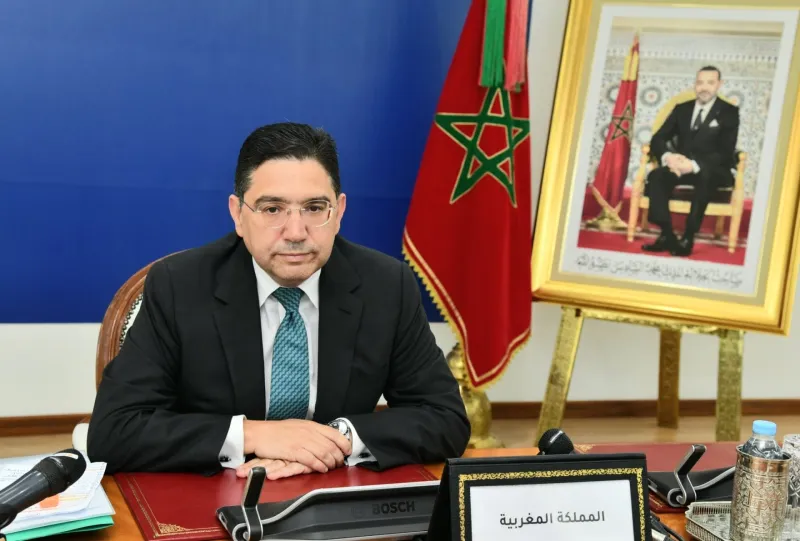
Moroccan Foreign Minister Nasser Bourita, speaking in Rabat on May 20, 2026, emphasized the need for United Nations peacekeeping mandates to be adapted to ground realities. He warned that missions disconnected from conflict developments risk perpetuating crises rather than resolving them.
Bourita made the remarks during a meeting with UN Under-Secretary-General for Peace Operations Jean-Pierre Lacroix, who was visiting Morocco. The minister stressed that static mandates can hinder progress in volatile regions, particularly in Africa where many UN missions operate.
According to a statement from the Moroccan Foreign Ministry, Bourita called for a comprehensive review of peacekeeping frameworks to ensure they are flexible and responsive to changing conditions. He highlighted the importance of aligning mandates with the specific needs of host countries.
The discussion also covered Morocco's contributions to UN peacekeeping, including its deployment of troops and police to missions in the Central African Republic and the Democratic Republic of the Congo. Morocco is one of the top contributors of uniformed personnel to UN operations.
Lacroix acknowledged Morocco's role and agreed on the necessity of mandate reform, noting that the UN is working to enhance the effectiveness of peacekeeping through the Action for Peacekeeping (A4P) initiative.