A recent study published in the journal Science of the Total Environment has found that Bhutan lost 27 glaciers between 2010 and 2019, primarily due to rising temperatures. The research, conducted by scientists from the International Centre for Integrated Mountain Development (ICIMOD) and other institutions, analyzed satellite data to track changes in the Himalayan nation's glaciers.
The study documented that the number of glaciers in Bhutan decreased from 2,709 in 2010 to 2,682 in 2019. The total glacier area also shrank by about 3.3% over the same period. The loss is attributed to a warming climate, with temperatures in the region rising at a rate higher than the global average.
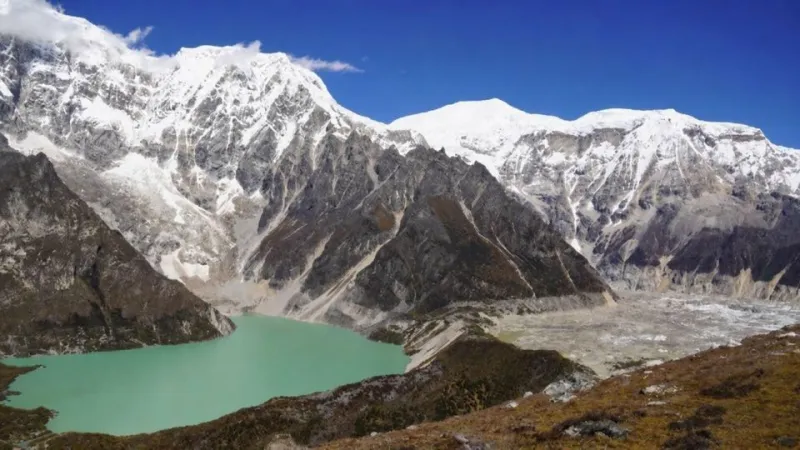
This glacial retreat has led to the expansion and formation of glacial lakes, increasing the risk of glacial lake outburst floods (GLOFs). These floods can devastate downstream communities, infrastructure, and ecosystems. The study identified several lakes that have grown significantly, posing a heightened threat.
The findings underscore the vulnerability of Himalayan glaciers to climate change. Bhutan, a country heavily dependent on hydropower and agriculture, faces significant challenges from these changes. The government has been working on early warning systems and disaster risk reduction measures to mitigate potential impacts.