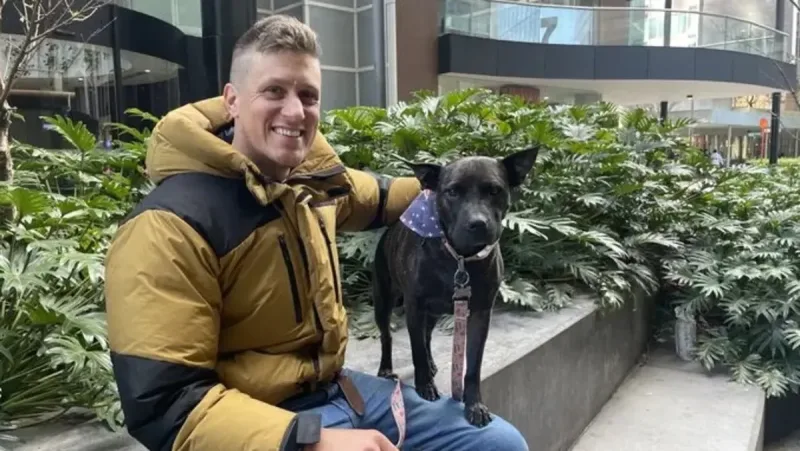
In 2023, Australian man Paul Conyngham utilized OpenAI's ChatGPT to research and design a personalized therapeutic cancer vaccine for his dog, Bex, who was diagnosed with an aggressive mast cell tumor. Desperate after conventional treatments failed, Conyngham, a digital strategist with no medical background, used the AI chatbot to navigate complex scientific literature on canine immunotherapy.
His research led him to US-based biotech company EpiVax, which agreed to produce the experimental treatment. The company's scientists used Conyngham's AI-assisted design to create a peptide-based vaccine specifically tailored to Bex's tumor genetics. The treatment was administered to Bex in late 2023.
The case, reported by outlets including the Australian Broadcasting Corporation, highlights the emerging and unregulated role of AI in personal medical research. While Bex showed a positive initial response, veterinary experts caution that such DIY approaches carry significant risks and lack the rigor of formal clinical trials. The story raises ethical questions about patient-led experimentation using rapidly evolving AI tools.