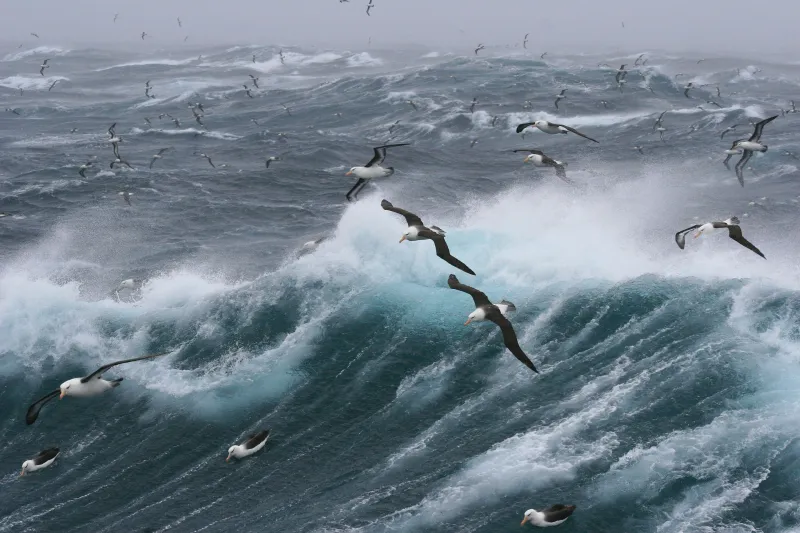
Australia has confirmed its first cases of highly pathogenic avian influenza (HPAI) H5N1 in wild birds, detected in a brown skua and a giant petrel on a remote beach near Esperance, Western Australia. The announcement was made by the Australian government on June 22, 2026.
The two seabirds were found sick and tested positive for the H5N1 strain, which has caused mass die-offs in bird populations globally. Authorities are now monitoring the area and have urged the public to report any sick or dead wild birds.
While the risk to humans remains low, the outbreak raises concerns for Australia's poultry industry and unique wildlife, including endangered species. Biosecurity measures have been heightened, and a response plan is in place to prevent further spread.