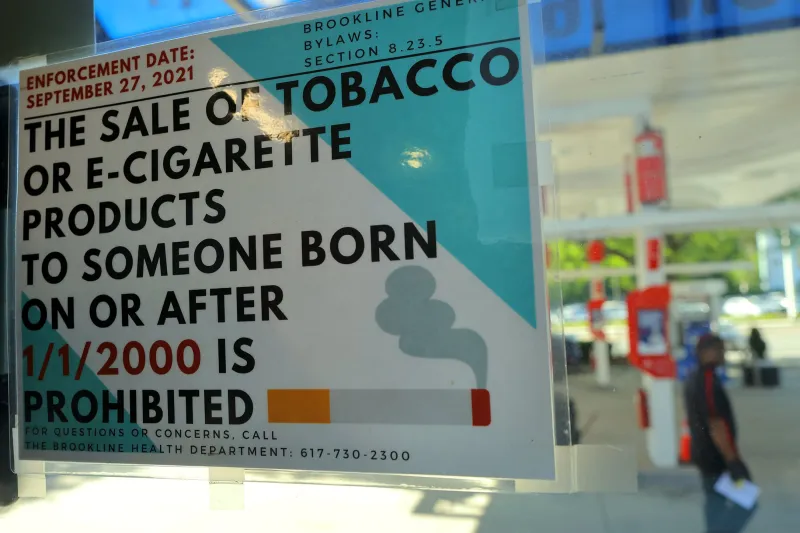
Antismoking activists are intensifying their campaign for a total ban on tobacco sales, arguing that current regulations are insufficient to curb smoking rates. According to the World Health Organization (WHO), tobacco use kills over 8 million people annually worldwide, with 1.2 million deaths from secondhand smoke. Activists point to countries like New Zealand, which implemented a generational smoking ban in 2022, as a model for other nations.
In the United Kingdom, the government passed the Tobacco and Vapes Bill in 2024, which gradually raises the legal age for buying tobacco, effectively banning sales to anyone born after 2009. Similar proposals are being debated in Canada and Australia. However, critics argue that a total ban could lead to a black market and increased crime, as seen with prohibition of alcohol in the early 20th century.
Proponents of the ban emphasize the economic burden of smoking, which costs the global economy over $1.4 trillion annually in healthcare expenses and lost productivity, according to a 2023 report by the WHO and the National Cancer Institute. They also highlight environmental damage, including cigarette butt pollution, which is the most common form of litter globally.
Despite growing support, a total ban faces significant legal and political hurdles. In the United States, the Food and Drug Administration (FDA) has not proposed a complete ban, focusing instead on reducing nicotine levels in cigarettes. As of June 2026, no country has fully banned tobacco sales, though several have implemented strict restrictions.