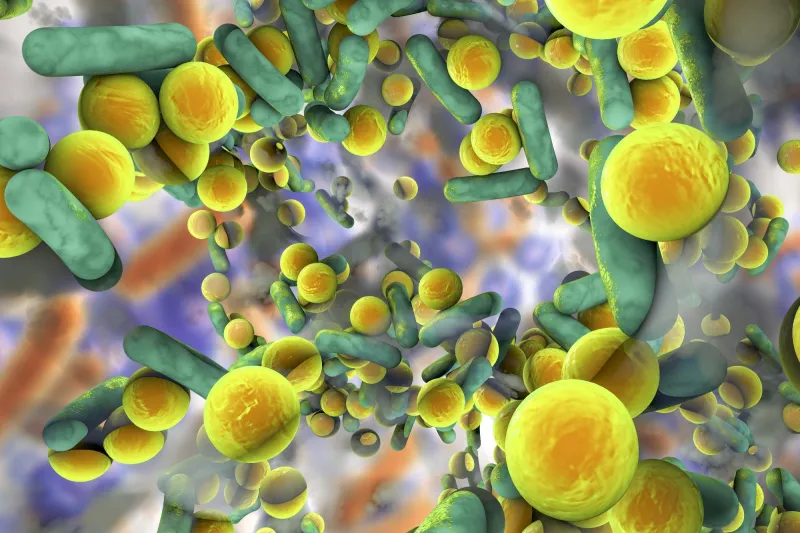
Antibiotic resistance and antibiotic tolerance are two distinct bacterial survival strategies that complicate modern medicine. Resistance occurs when bacteria acquire genetic mutations or genes that allow them to grow and multiply even in the presence of an antibiotic, often by inactivating the drug or altering its target. In contrast, tolerance describes a transient physiological state where bacteria slow their metabolism and become dormant, surviving a course of antibiotics that would normally kill them, only to potentially resume growth later and cause recurrent infection.
The mechanisms differ fundamentally. Resistance is often specific to a drug class and is heritable. Tolerance, however, is a non-heritable, phenotypic switch often triggered by stress, such as the antibiotic treatment itself or nutrient starvation. This makes tolerant bacterial populations, sometimes called "persisters," difficult to detect with standard laboratory tests, which are designed to measure the minimum inhibitory concentration (MIC) for resistance, not the duration of survival.
This distinction has critical therapeutic implications. While resistance is addressed by switching antibiotics, tolerance may require different strategies, such as combining antibiotics with drugs that disrupt bacterial metabolism or wake persister cells. Research is actively exploring these combination therapies and improved diagnostic tools. The rise of both resistance and tolerance underscores the ongoing challenge of bacterial infections and the urgent need for novel antimicrobial approaches.