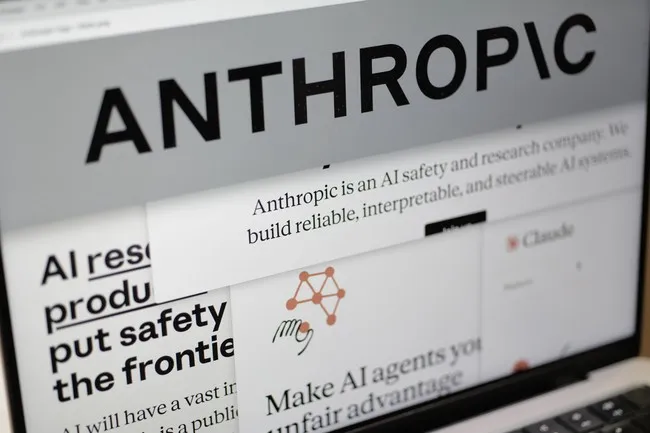
Anthropic's release of its Claude 3.5 Sonnet AI model has ignited a debate within the cybersecurity community. The model, which Anthropic claims outperforms its predecessor and competitors on certain benchmarks, has demonstrated advanced capabilities in coding and analysis. Security researchers have expressed concern that such powerful models could be repurposed by malicious actors to write sophisticated malware, automate phishing campaigns, or discover software vulnerabilities more efficiently.
In response to these concerns, Anthropic has emphasized its commitment to safety and responsible deployment. The company states it employs constitutional AI techniques and extensive safety testing to mitigate risks. However, independent experts argue that the very capabilities that make the model useful for defensive cybersecurity tasks also lower the barrier to entry for offensive operations, creating a dual-use dilemma that is difficult to fully control.
The discussion reflects a broader industry challenge as AI capabilities rapidly advance. While AI tools can significantly augment security professionals in threat detection and code review, the potential for misuse remains a critical issue. The debate centers on whether current safeguards and industry self-regulation are sufficient, or if more stringent oversight is needed for frontier AI models.