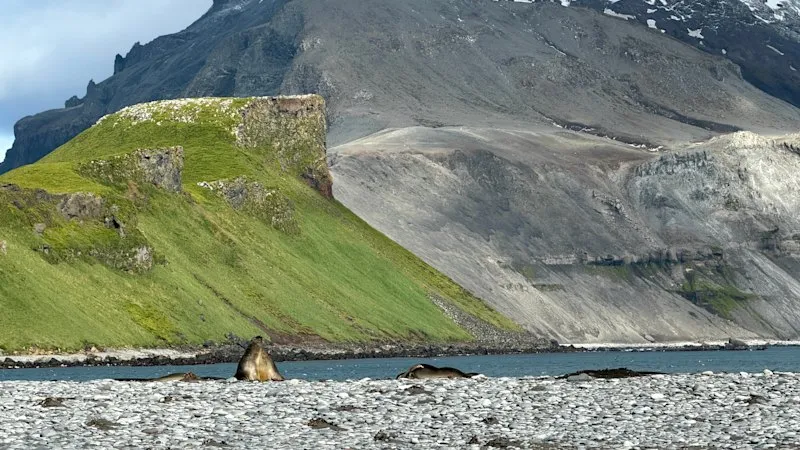
Scientists have documented a rapid expansion of Antarctic hair grass (Deschampsia antarctica) in parts of the Antarctic Peninsula and nearby islands, driven by regional warming and ice retreat. The study, published in a peer-reviewed journal, used satellite imagery and field surveys to track changes over the past decade.
Researchers found that the grass's coverage increased by more than 30% in some areas since 2016, particularly on the South Shetland Islands and the western Antarctic Peninsula. This expansion is altering the landscape, providing new habitats for invasive species and potentially outcompeting native mosses and lichens.
The spread is also raising concerns for sub-Antarctic islands like South Georgia, where similar grasses could disrupt fragile ecosystems. Scientists emphasize that while the grass is native to the region, its rapid growth is a clear signal of climate change impacts.
Conservation groups are calling for increased monitoring and biosecurity measures to prevent non-native species from establishing in newly exposed areas. The study's authors stress the need for urgent action to protect these unique environments.