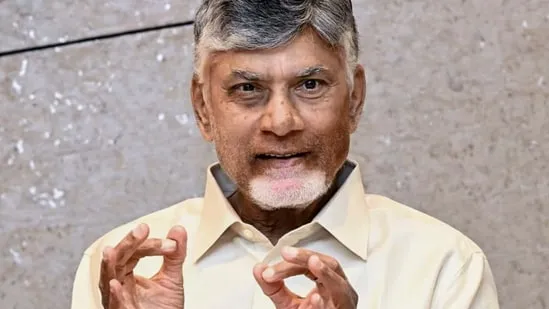
Andhra Pradesh Chief Minister N. Chandrababu Naidu has announced a new policy offering cash incentives to families who have a third or fourth child. The move, unveiled in the state assembly on May 15, 2026, is aimed at countering what Naidu described as an 'aging population' and declining birth rates among younger couples.
Naidu stated that the state's total fertility rate (TFR) has fallen below the replacement level of 2.1 children per woman, now at 1.8, according to the National Family Health Survey-5 (2019-2021). He argued that without intervention, Andhra Pradesh could face a demographic crisis similar to parts of Europe and East Asia, with a shrinking workforce and rising elderly care costs.
The policy includes a one-time payment of ₹50,000 for the third child and ₹1,00,000 for the fourth child, along with free education and healthcare for these children up to age 18. Critics, including opposition parties and women's rights groups, have questioned the financial sustainability and potential impact on women's health and family planning choices.
Naidu also cited migration of young workers to other states and countries as a factor, noting that many educated youths leave Andhra for better opportunities, leaving behind an older population. The government plans to fund the scheme through existing social welfare budgets and new allocations in the upcoming state budget.
Experts remain divided: demographers point out that similar pronatalist policies in other countries have had limited success in raising birth rates, while economists warn of the long-term fiscal burden. The policy is set to take effect from July 1, 2026, pending legislative approval.