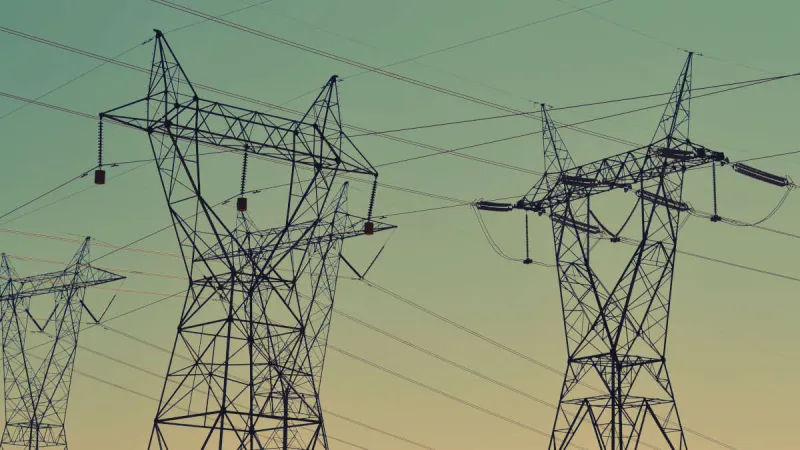
Algeria continues to offer the lowest electricity prices in North Africa, a position maintained through substantial government subsidies. According to data from national utilities and international reports, the average cost per kilowatt-hour for residential consumers in Algeria is significantly below that of its neighbors, Morocco and Tunisia.
This pricing disparity stems from Algeria's longstanding policy of subsidizing energy for its citizens, funded by its hydrocarbon revenues. In contrast, both Morocco and Tunisia have implemented tariff increases in recent years to reduce budget deficits and reflect the rising costs of power generation and imports.
The low tariffs have contributed to high per capita electricity consumption in Algeria but place a continuous fiscal burden on the state. Analysts note that while the policy provides social relief, it also discourages energy efficiency and complicates the economic case for large-scale renewable energy investments, despite the country's significant solar potential.
The situation highlights differing economic approaches within the Maghreb region, with Algeria leveraging its natural resource wealth for domestic consumption, while its neighbors pursue reforms that gradually shift costs towards consumers.