A team from the Mohamed bin Zayed University of Artificial Intelligence (MBZUAI) in Abu Dhabi tested several free AI models, including five optimized for the Arabic language, to assess their understanding of Moroccan culture. The results, as reported in a study released in early 2026, showed a significant inability to grasp regional nuances, such as local dialects, customs, and historical references.
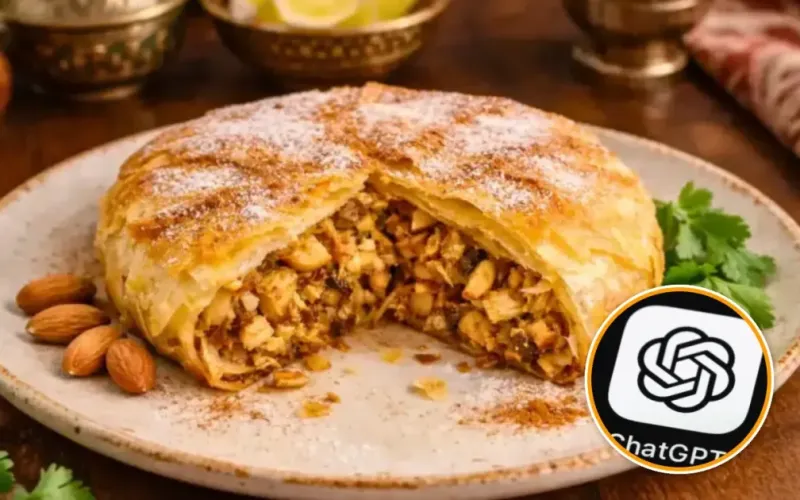
The study evaluated models like GPT-4 and Arabic-specific ones, using prompts related to Moroccan traditions, cuisine, and social norms. For instance, when asked about the significance of certain holidays or dishes, the models often provided generic or incorrect answers, failing to differentiate Moroccan practices from broader Arab or North African contexts.
Researchers noted that while Arabic-optimized models performed better on standard Arabic tasks, they still lacked the fine-grained cultural knowledge needed for accurate responses about Morocco. This highlights a broader challenge in AI development: the need for more diverse and localized training data to avoid cultural homogenization.
The findings underscore the importance of incorporating regional expertise into AI training datasets to improve cultural sensitivity and accuracy. As AI becomes more integrated into daily life, such gaps could lead to misunderstandings or misrepresentations, particularly in areas like education, tourism, and cross-cultural communication.