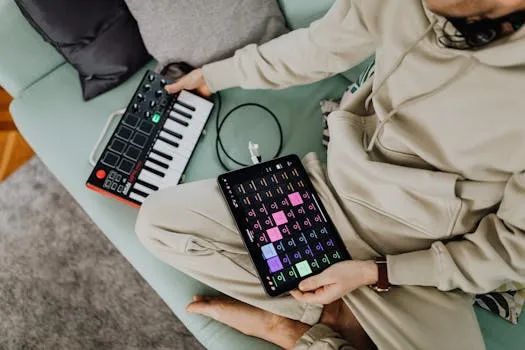
A recent performance by pianist Churen Li, which incorporated AI-generated musical elements, has reignited the ongoing debate about artificial intelligence's role in the arts. The recital, held in April 2026, featured a piece where an AI model analyzed Li's playing style and generated complementary passages in real-time.
Proponents of the technology argue that AI can serve as a collaborative tool, offering new avenues for inspiration and expanding the technical possibilities available to musicians. They view it as an instrument that can augment human creativity rather than replace it.
However, critics contend that such reliance on algorithms risks homogenizing artistic output and devaluing the uniquely human aspects of interpretation and emotional depth. The central question remains whether AI can replicate or contribute to the ineffable 'inspiration' that defines great art, or if it is merely an advanced tool for executing ideas.
The discussion extends beyond music, touching on copyright, authorship, and the fundamental definition of creativity in the digital age. As AI tools become more sophisticated, the creative industries continue to grapple with their implications.