As the term 'sovereignty' dominates African economic debates, three Asian models—South Korea, Vietnam, and Indonesia—demonstrate that sovereignty is not proclaimed but built. According to World Bank data, South Korea's GDP per capita grew from $1,100 in 1960 to over $33,000 by 2024, driven by state-led industrial policy and export-oriented growth. Vietnam, after the 1986 Đổi Mới reforms, saw its GDP per capita rise from $230 in 1990 to $4,100 in 2024, with manufacturing exports accounting for 80% of its economy (World Bank, 2025). Indonesia, the largest ASEAN economy, achieved a GDP of $1.4 trillion in 2024, with a focus on downstream processing of natural resources, such as nickel, to boost domestic value addition.
These examples highlight that economic sovereignty requires strategic investments in infrastructure, education, and technology. The African Development Bank notes that Africa's industrial output accounts for only 10% of GDP, compared to 25% in East Asia. To emulate Asian success, African nations must prioritize policies that attract foreign direct investment while building local capacity. For instance, Rwanda's focus on ICT and services has increased its GDP per capita to $1,000 in 2024, but challenges remain in manufacturing and energy access.
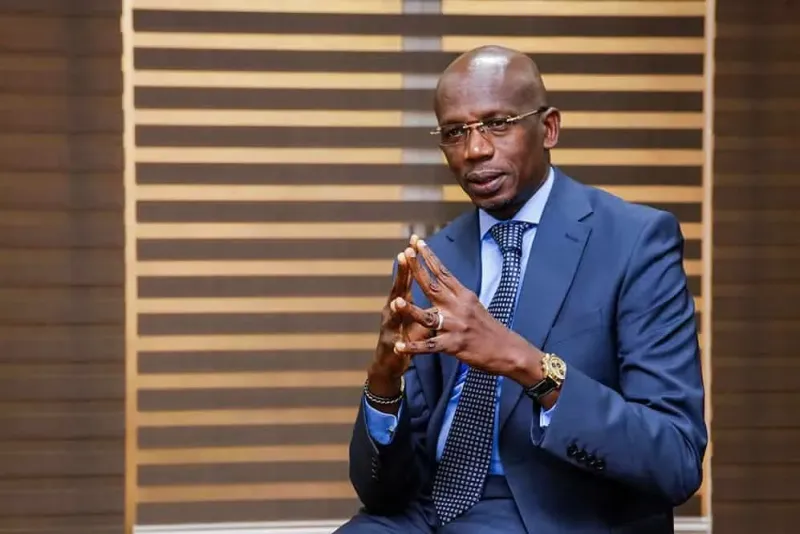
Critics argue that African countries face unique hurdles, including debt burdens and climate vulnerability. However, the Asian experience suggests that sovereignty is a process, not a slogan. As the article by Lansana Gagny Sakho emphasizes, 'Sovereignty is built through concrete actions, not just words.' The path forward involves learning from Asia's pragmatic approach to development, tailored to Africa's diverse contexts.