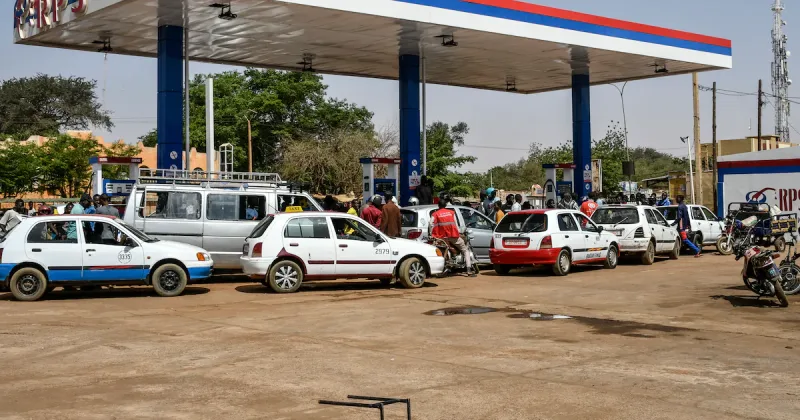
Governments across Africa are deploying a fragmented set of measures to combat soaring fuel prices, driven by ongoing global supply chain disruptions and geopolitical tensions. Unlike a coordinated continental response, individual nations are tailoring interventions based on their fiscal capacity and political pressures, leading to a patchwork of subsidies, tax reductions, and regulatory controls.
Countries like Nigeria and Angola, as major oil producers, have faced domestic pressure to shield consumers from international market volatility, often through costly subsidy programs. Conversely, nations reliant on imports, such as Kenya and Senegal, have experimented with temporary tax waivers on fuel products to provide short-term relief, though these measures strain national budgets.
Analysts note that the persistent congestion in global shipping lanes and regional conflicts continue to pressure supply chains, keeping crude oil prices elevated. The International Energy Agency has warned that such market conditions challenge the sustainability of blanket subsidies, urging investments in renewable energy as a long-term buffer.
The disparate approaches highlight the lack of a unified African energy policy, leaving each country to navigate the economic and social risks of fuel inflation independently. The effectiveness of these measures varies significantly, with some nations facing recurring fiscal deficits while others manage more stable, but still elevated, consumer prices.