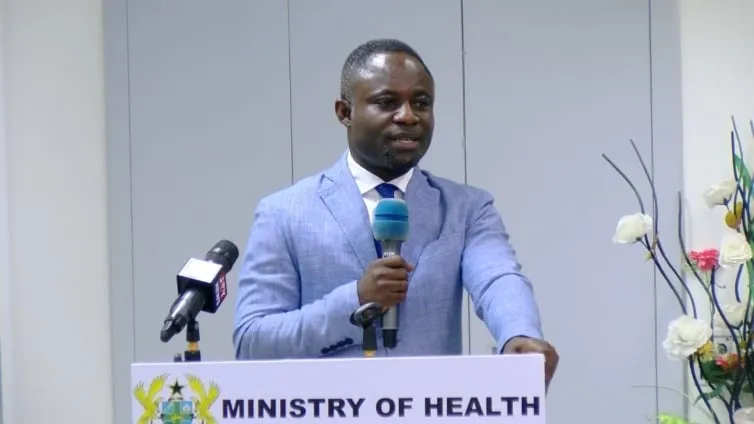
As of May 2026, Africa is grappling with concurrent outbreaks of Ebola and hantavirus, prompting renewed calls for health sovereignty. According to the World Health Organization (WHO), Ebola cases have been reported in Uganda and the Democratic Republic of Congo, while hantavirus has emerged in southern Africa, including South Africa and Namibia. The outbreaks come as international donor support for health programs in Africa is declining, with the U.S. President's Emergency Plan for AIDS Relief (PEPFAR) facing budget cuts and the Global Fund reporting a funding gap.
In response, African Union member states have accelerated efforts to establish local vaccine manufacturing capacity. The Africa Centres for Disease Control and Prevention (Africa CDC) announced in April 2026 that it aims to produce 60% of the continent's vaccine needs by 2040, up from less than 1% currently. Several countries, including Rwanda, Senegal, and South Africa, have already begun constructing vaccine production facilities with support from the World Bank and the European Union.
Dr. John Nkengasong, director of the Africa CDC, stated in a press briefing on May 10, 2026: 'The era of relying solely on external donors for our health security must end. We are seeing the consequences of vaccine inequity, and we must build our own capacity to respond to outbreaks like Ebola and hantavirus.' The hantavirus outbreak, which has caused at least 12 deaths in South Africa since March 2026, has highlighted the need for rapid diagnostic tests and treatments that are not yet widely available in the region.
However, challenges remain. The Africa CDC estimates that $10 billion is needed over the next five years to achieve vaccine self-sufficiency. Meanwhile, the WHO has warned that the Ebola outbreak in Uganda, which began in February 2026, has infected 45 people and caused 18 deaths as of May 15, 2026. The hantavirus outbreak, which is spread through rodent droppings, has been linked to poor sanitation in informal settlements, according to the South African National Institute for Communicable Diseases.
Despite these hurdles, African leaders are framing the current crises as an opportunity to build resilient health systems. The African Union's New Public Health Order, adopted in 2025, prioritizes local production of medicines and vaccines, as well as strengthening disease surveillance. As donor support fades, the push for health sovereignty is gaining momentum across the continent.