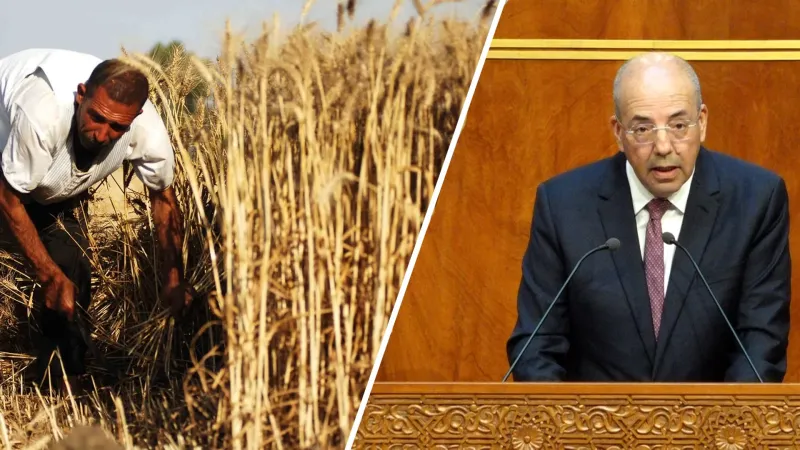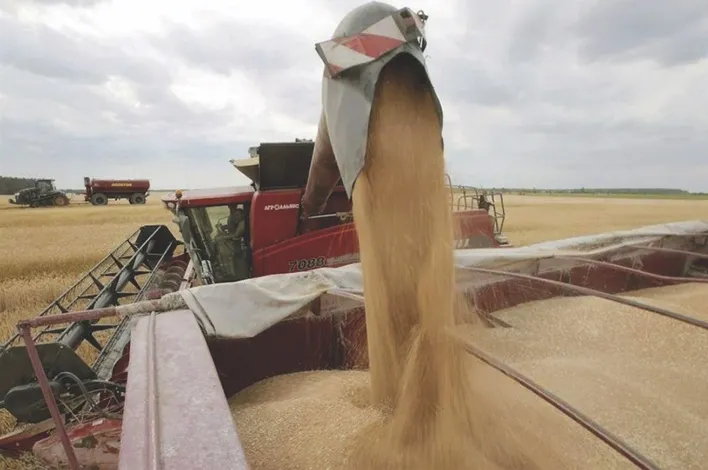
The war in Ukraine and the Strait of Hormuz crisis have exposed Africa's vulnerability in food sovereignty. This issue was a key theme at the 2026 African Food Security Summit, where Morocco's role was highlighted. According to the African Development Bank, Africa imports over 80% of its wheat, with Ukraine and Russia supplying about 40% of the continent's wheat before the war.
Morocco, as a major phosphate producer (holding about 70% of global reserves), has leveraged its fertilizer industry to boost agricultural productivity in sub-Saharan Africa. The OCP Group, Morocco's state-owned phosphate company, has invested in R&D to develop customized fertilizers for African soils. A 2025 report by the International Fertilizer Development Center noted that OCP's initiatives have helped increase crop yields by up to 30% in pilot programs in Ethiopia and Nigeria.
Additionally, Morocco's National Institute for Agricultural Research (INRA) has developed drought-resistant wheat varieties, which are being shared with other African nations. The Moroccan Agency for International Cooperation (AMCI) has trained over 5,000 African farmers in sustainable farming techniques since 2023, as per a 2026 AMCI report.
However, challenges remain. The African Continental Free Trade Area (AfCFTA) has yet to fully harmonize agricultural standards, and logistics bottlenecks persist. The World Bank's 2026 Africa Pulse report estimates that intra-African agricultural trade could increase by 40% if non-tariff barriers are reduced.