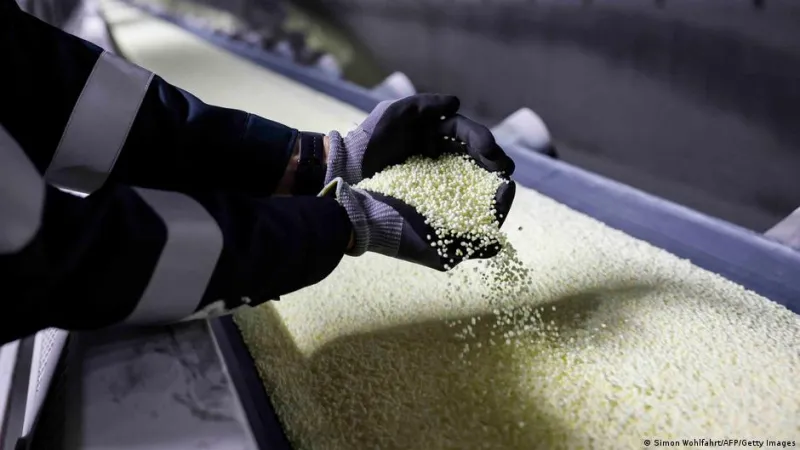
Fertilizer shortages are deepening across Africa as the ongoing conflict in the Middle East disrupts global shipping routes, particularly through the Red Sea and Suez Canal. According to reports from the African Development Bank and the United Nations, the crisis has led to soaring prices and reduced availability of key fertilizers like urea and potash, which are critical for crop yields in the region.
Farmers in countries such as Kenya, Nigeria, and South Africa are reporting significant delays in fertilizer deliveries, with some facing price increases of up to 30% since the start of the year. The disruption is attributed to attacks on commercial vessels in the Red Sea, forcing ships to take longer routes around the Cape of Good Hope, which has increased transportation costs and delivery times.
The African Union has called for emergency measures, including the establishment of a regional fertilizer reserve and increased domestic production. However, experts warn that without immediate action, the crisis could lead to reduced harvests and heightened food insecurity, particularly in regions already vulnerable to drought and conflict.
In response, some African nations are exploring alternative sources, such as increased imports from Russia and China, as well as promoting the use of organic fertilizers. The World Bank has also pledged support to help mitigate the impact on smallholder farmers, who are the most affected.