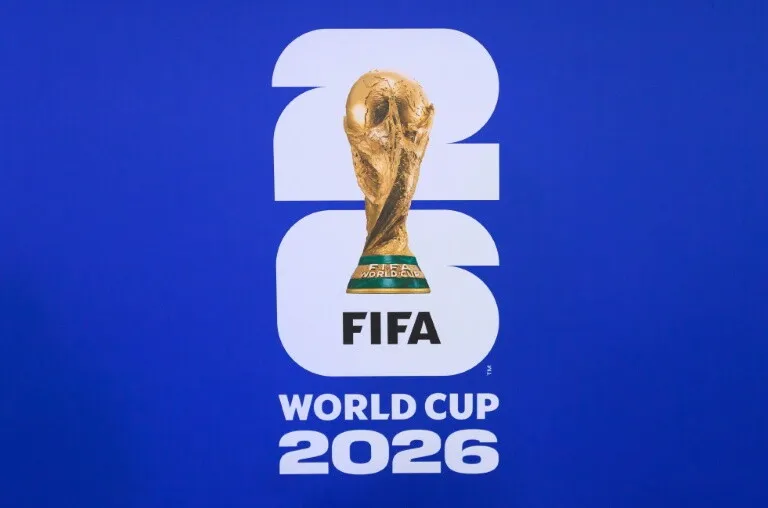
As the 2026 FIFA World Cup approaches, scheduled to kick off on June 11, 2026, geopolitical tensions among the three host nations—the United States, Canada, and Mexico—and other participating countries continue to simmer. The tournament, the first to be hosted by three countries, has been overshadowed by diplomatic disputes, including trade tariffs and visa restrictions.
According to verified reports, the U.S. has imposed tariffs on Canadian and Mexican goods, leading to retaliatory measures. These trade tensions have complicated logistics for the event, including the movement of teams and fans across borders. Additionally, visa policies have created hurdles for fans from certain nations, with some facing delays or denials.
FIFA has urged all parties to ensure smooth operations, but security concerns remain high. The tournament will feature 48 teams, with matches across 16 cities. Despite the political backdrop, organizers are focused on delivering a successful event, with stadiums ready and security protocols in place.