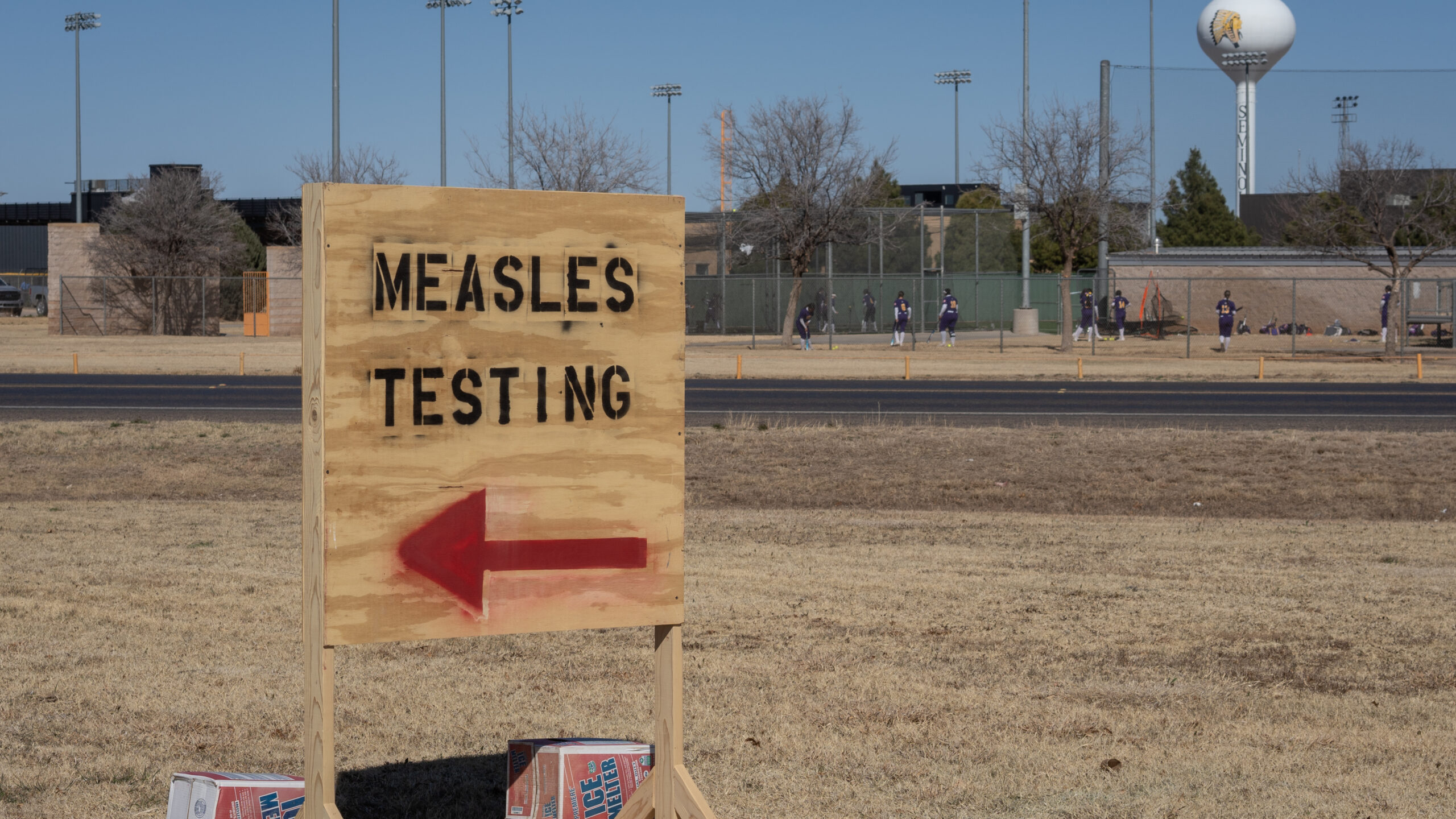
Two decades after the United States declared victory over measles in 2000, the highly contagious disease has made an unwelcome return, sending ripples of concern through the public health community. What was once considered a triumph of modern vaccination programs has become a cautionary tale about the fragility of disease elimination efforts.
Pandemic researchers are sounding the alarm that this resurgence represents more than just an isolated health setback. The return of measles reflects broader vulnerabilities in our global disease surveillance systems and highlights how quickly hard-won public health victories can unravel when vigilance wanes.
The implications extend far beyond measles itself. Experts warn that the same factors enabling this comeback—declining vaccination rates, weakened public health infrastructure, and growing vaccine hesitancy—create fertile ground for other preventable diseases to resurge.
As communities grapple with outbreaks that seemed relegated to history books, the measles resurgence serves as a stark reminder of the constant vigilance required to maintain public health achievements and the potential consequences when prevention efforts falter.