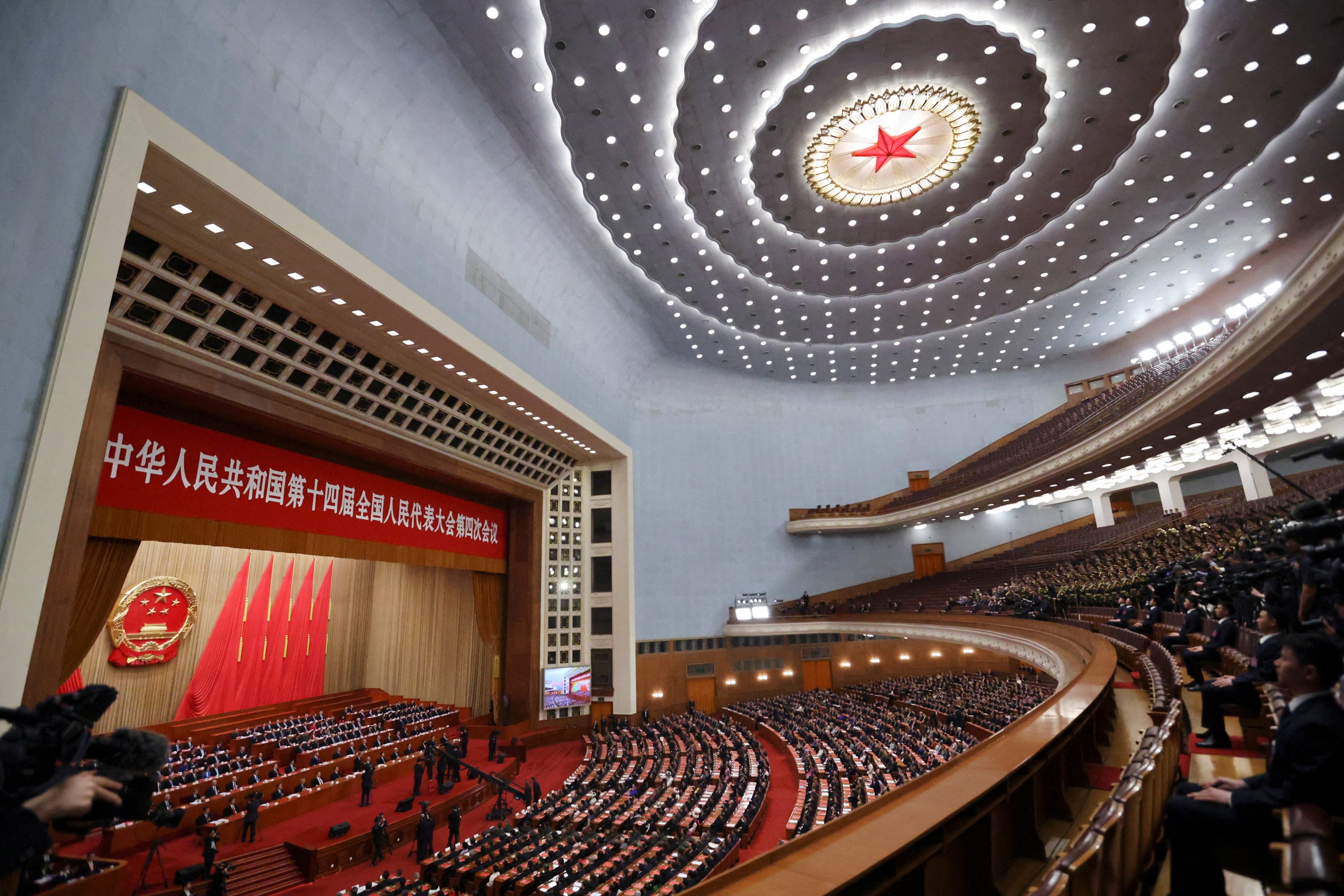
United Nations High Commissioner for Human Rights Volker Türk expressed serious concerns Friday regarding China's recently enacted legislation on ethnic unity, cautioning that the new law poses significant threats to fundamental freedoms including religious practice and cultural expression.
The controversial legislation, which has drawn international scrutiny, establishes broad parameters for what constitutes acceptable ethnic and cultural behavior within Chinese territory. Human rights advocates worry the law could be used as a legal framework to further suppress minority communities, particularly in regions like Xinjiang and Tibet where tensions have historically run high.
Türk emphasized that while national unity remains a legitimate governmental objective, any legislation pursuing this goal must respect international human rights standards and protect the diverse cultural fabric that enriches societies. The UN official called for transparent implementation and urged Chinese authorities to ensure the law does not infringe upon constitutionally protected rights.
This development adds another layer of complexity to ongoing international discussions about China's treatment of ethnic minorities. The international community continues to monitor how this legislation will be applied in practice, with particular attention to its impact on religious communities and cultural preservation efforts across China's diverse regions.