As tensions surrounding Iran's nuclear program and regional activities persist, foreign policy analysts caution that both hardline proponents of confrontation and those advocating for outright dismissal of the threats are making critical errors in judgment. Verified reports from the International Atomic Energy Agency (IAEA) confirm Iran continues to enrich uranium to levels nearing weapons-grade, a significant escalation from its commitments under the 2015 nuclear deal, which remains effectively dormant.
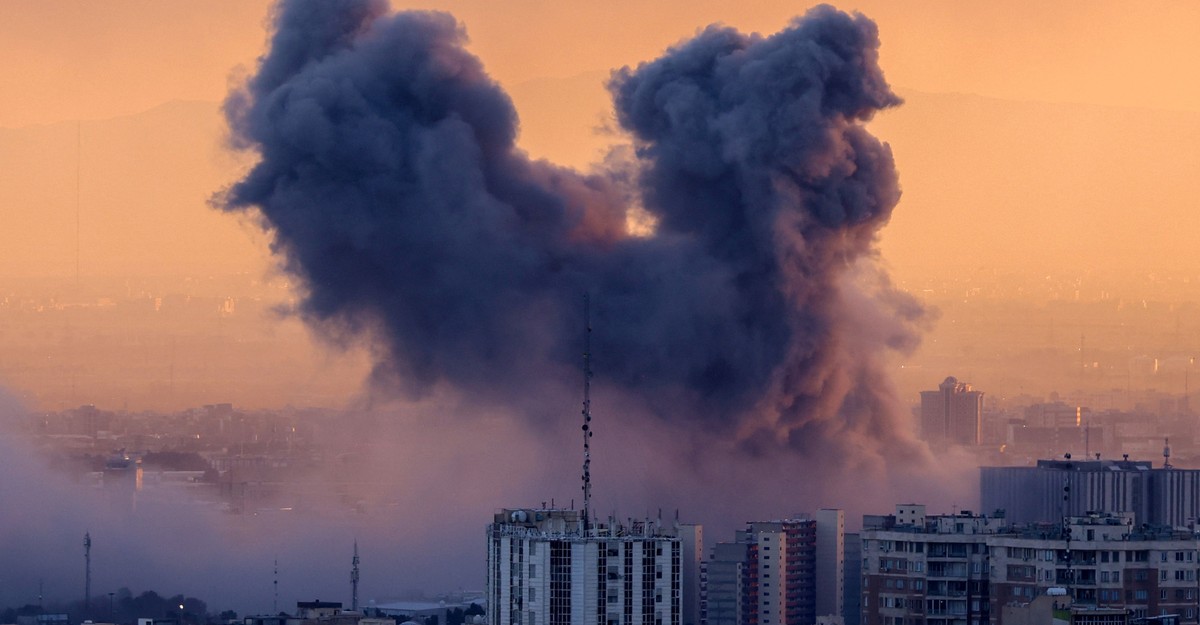
Proponents of a more aggressive stance, including some Western and regional governments, risk overestimating the efficacy of military action or maximum pressure campaigns. Historical precedent and expert analysis suggest such approaches could trigger a wider regional conflict and solidify Iranian resolve, without guaranteeing the program's dismantlement. Conversely, critics who minimize the proliferation risks or Iran's support for proxy militias overlook the tangible security challenges these activities pose to regional stability, as evidenced by ongoing conflicts and attacks.
The central miscalculation on both sides is a failure to accurately assess the complex domestic dynamics within Iran and the potential for unintended escalation. Diplomatic efforts, though stalled, are widely regarded by security experts as the only viable long-term path to manage the crisis, requiring a nuanced strategy that addresses both security concerns and incentives for de-escalation. The current polarized debate often neglects this middle ground, increasing the danger of a strategic blunder with global consequences.