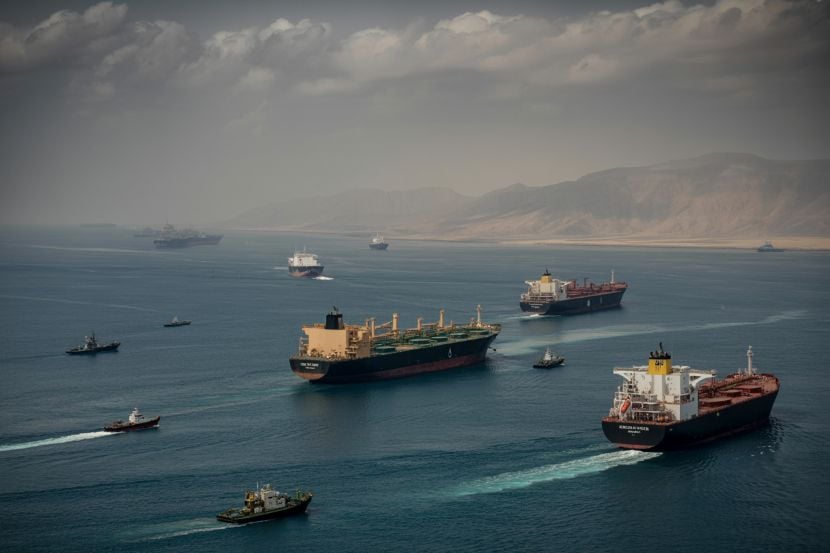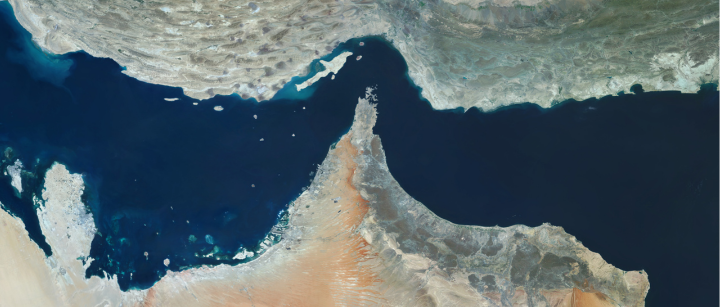
In 2019, then-President Donald Trump claimed that Iran shutting down the Strait of Hormuz "doesn't really affect" the United States the way it does "other countries." A fact-check of this statement reveals a more complex reality. While the U.S. has significantly reduced its direct crude oil imports from the Persian Gulf, a closure of this critical chokepoint would cause a major global oil price shock, directly impacting American consumers and the economy.
The Strait of Hormuz is the world's most important oil transit chokepoint. According to the U.S. Energy Information Administration (EIA), approximately 21 million barrels of oil per day, or about 21% of global petroleum liquids consumption, flowed through it in 2023. This includes oil from Saudi Arabia, Iraq, the United Arab Emirates, Kuwait, and Iran destined for markets worldwide.
Although the U.S. now imports very little crude oil directly from the Gulf, oil is a globally traded commodity. A severe supply disruption would cause prices to spike on international benchmarks like Brent Crude, which in turn drives the price of gasoline, diesel, and jet fuel in the United States. Historical analysis by the EIA and other energy experts confirms that geopolitical events in the region have consistently led to volatile and increased oil prices, affecting the U.S. economy.
Furthermore, U.S. allies in Europe and Asia are heavily dependent on oil transiting the Strait. A closure would strain these alliances and could compel the U.S. to take military or diplomatic action to reopen the waterway, as it has pledged to do in the past, directly involving the nation in a potential conflict.