A group of residents of a city in central Cuba took to the streets early Saturday and partially destroyed the local headquarters of the ruling communist party. Authorities said that five people were arrested in a demonstration that was linked to the island's energy supply issues and access to food.
On 13 March 2026, Cuban President Miguel Díaz-Canel publicly confirmed for the first time that his government was engaged in diplomatic talks with the United States aimed at addressing the severe U.S.‑imposed oil and energy blockade. "These talks have aimed to find solutions, through dialogue, to the bilateral differences between our two nations," Díaz-Canel said. He also announced that the release of 51 prisoners for good behavior was a sovereign decision, with the Cuban government stating it plans to release these individuals "in the coming days."
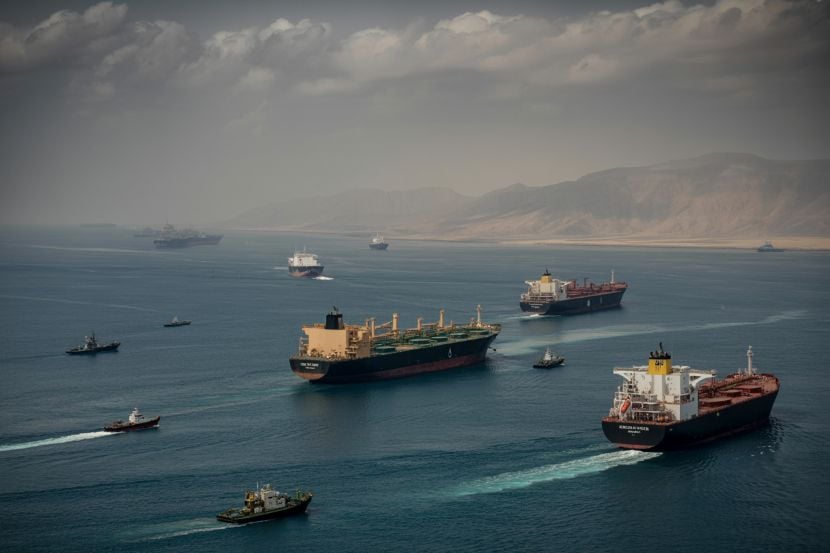
The United States began blocking oil tankers heading to Cuba in February 2026, targeting companies such as the Mexican state-owned Pemex and threatening the responsible countries with tariffs. US president Donald Trump issued an executive order imposing tariffs on countries exporting oil to Cuba. Díaz-Canel claimed the dire situation Cuba is currently facing "has to do with the energy blockade" enacted by the U.S, adding that "no fuel has entered the country for three months."
According to the United Nations Human Rights Office, the blockade and ensuing fuel shortage has threatened Cuba's food supply and disrupted the country's water systems and hospitals. UN Secretary-General António Guterres stated that he is "extremely concerned" about the humanitarian situation in Cuba, "which will worsen, or even collapse," if the country's oil needs aren't met.