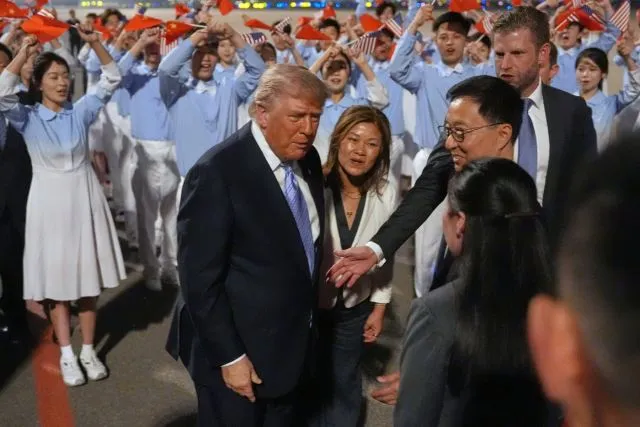
L'ancien président américain Donald Trump a récemment invoqué l'attaque de 1941 sur Pearl Harbor pour justifier la décision de son administration de garder secrète une opération militaire de 2020 contre l'Iran. Dans un message sur les réseaux sociaux et des interviews ultérieures, Trump a déclaré avoir autorisé une frappe sur des sites culturels iraniens en représailles à des attaques contre des troupes américaines, avant d'annuler l'ordre. Il a justifié le secret en le comparant à la connaissance qu'aurait eue le président Franklin D. Roosevelt d'une agression japonaise potentielle avant Pearl Harbor.
L'analogie historique et la révélation de la frappe planifiée ont provoqué une réaction des responsables japonais. Le secrétaire général du gouvernement, Yoshimasa Hayashi, a déclaré que le Japon avait "pris note" des remarques de Trump et a souligné l'importance de l'alliance nippo-américaine pour la paix et la stabilité régionales. Il a refusé de commenter davantage les déclarations d'un dirigeant étranger.
Les commentaires de Trump font référence à des théories historiques longuement débattues sur le degré d'avertissement dont les États-Unis disposaient avant l'attaque du 7 décembre 1941, qui a propulsé l'Amérique dans la Seconde Guerre mondiale. La comparaison a été critiquée par des historiens et des analystes pour sa simplification d'événements historiques complexes.
Cet incident met en lumière les tensions géopolitiques persistantes au Moyen-Orient et la sensibilité de la mémoire historique dans les relations entre les États-Unis et le Japon. Le Japon, un allié clé des États-Unis en Asie, avance souvent avec prudence concernant les références à la Seconde Guerre mondiale, qui reste un sujet sensible dans la diplomatie est-asiatique.