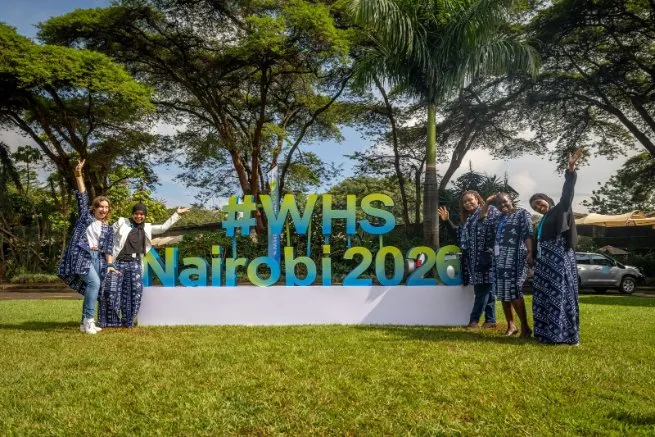
The World Health Summit (WHS) Regional Meeting 2026 officially opened on April 27, 2026, at the United Nations Office at Nairobi (UNON), with a focus on integrating traditional medicine into Africa's health systems. The event, themed 'Reimagining Africa's Health Systems: The Role of Traditional Medicine,' brings together global health leaders, policymakers, and practitioners.
According to verified reports, the summit aims to explore how traditional medicine can complement modern healthcare, particularly in addressing chronic diseases and improving access in rural areas. Key speakers include representatives from the World Health Organization (WHO) and the African Union, who emphasized the need for evidence-based integration.
Discussions are centered on regulatory frameworks, quality control, and research into traditional remedies. The summit also highlights successful case studies from countries like Ghana and South Africa, where traditional medicine is already part of national health strategies.
This meeting is part of a broader effort to achieve universal health coverage in Africa by 2030, with traditional medicine playing a pivotal role in reaching underserved populations.