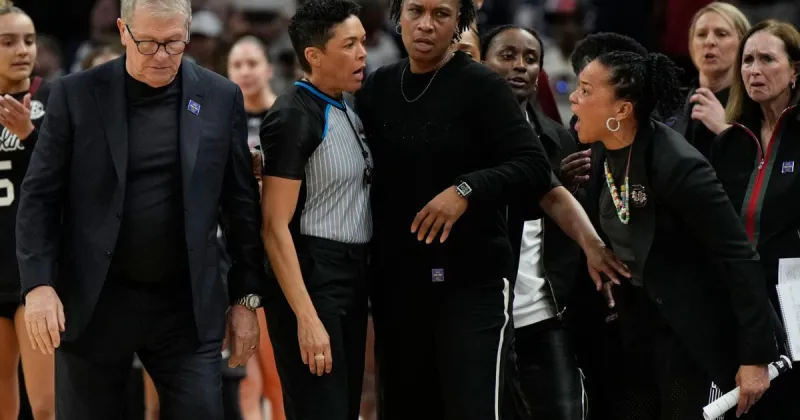
Women's sports continue to face a paradox in 2026: record-breaking viewership and attendance figures sit alongside persistent inequalities in media coverage, sponsorship dollars, and institutional support. Rather than being celebrated as a growth sector, women's athletics are frequently treated as a secondary concern — or worse, a political battleground.
In the United States, the debate has been significantly shaped by federal policy. The Trump administration's executive orders restricting transgender women from competing in female sports categories have dominated headlines, while underlying issues such as unequal pay, limited broadcast deals, and underfunded programs at the collegiate level receive comparatively little attention. Title IX, the landmark 1972 law guaranteeing equal opportunity in federally funded education programs, remains a contested framework as its scope and enforcement continue to be debated in courts and Congress.
Globally, governing bodies such as World Athletics and the International Olympic Committee have each issued their own frameworks on athlete eligibility, creating a fragmented regulatory landscape. Critics argue that the intense focus on transgender inclusion policies — which affect a very small number of athletes — distracts from systemic barriers facing the vast majority of women in sport, including wage gaps, lack of professional leagues, and inadequate medical research tailored to female athletes.
Advocates for women's sports point to genuine momentum: the NWSL, WNBA, and women's soccer leagues have reported attendance and viewership growth in recent seasons. The 2024 Paris Olympics were widely praised for achieving near gender parity in athlete participation. Yet media studies consistently show that women's sports receive a fraction of total sports coverage — estimated at under 15% in most major markets — suggesting that institutional change has not kept pace with fan interest.
The core argument from advocates is straightforward: women's sports do not need to be protected from outside threats so much as they need to be invested in, covered fairly, and taken seriously on their own terms. Treating women's athletics as inherently fragile, or as a proxy for culture-war disputes, ultimately undermines the athletes themselves.