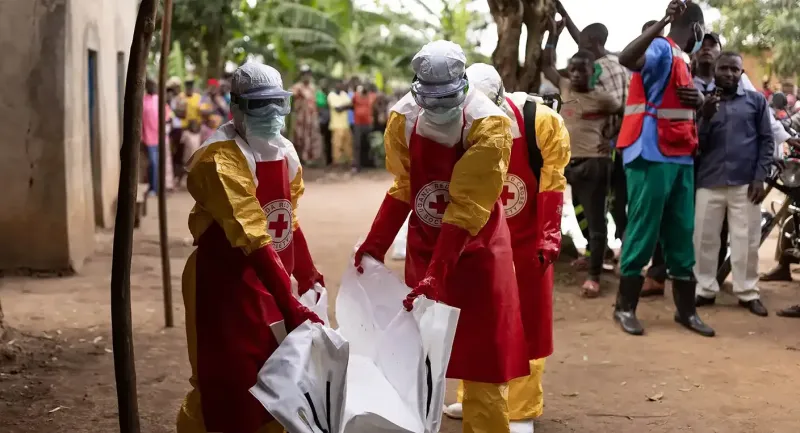
On May 17, 2026, the World Health Organization (WHO) declared the ongoing Ebola outbreak in the Democratic Republic of the Congo (DRC) and Uganda as a Public Health Emergency of International Concern (PHEIC). This designation, the highest level of alert under the International Health Regulations, aims to coordinate a global response to contain the virus.
The outbreak, first reported in early 2026, has spread across multiple provinces in eastern DRC and into neighboring Uganda. As of May 19, 2026, the WHO has reported over 200 confirmed cases and more than 100 deaths, with a case fatality rate of approximately 50%. The epicenter remains in North Kivu province, DRC, where previous Ebola outbreaks have occurred.
The WHO's Emergency Committee, after reviewing data on the rapid spread and cross-border transmission, recommended the PHEIC declaration. WHO Director-General Dr. Tedros Adhanom Ghebreyesus stated, 'This is a serious situation that requires urgent and coordinated action. We must support the affected countries to stop the spread and save lives.'
Health authorities in DRC and Uganda have intensified surveillance, contact tracing, and vaccination campaigns. The WHO has deployed additional experts and supplies, including doses of the Ervebo vaccine, which has been effective in previous outbreaks. However, challenges remain due to insecurity in conflict-affected areas and limited healthcare infrastructure.
The WHO emphasizes that the PHEIC does not imply a global pandemic threat but underscores the need for heightened vigilance and international solidarity. Travel and trade restrictions are not recommended at this time, but neighboring countries are advised to strengthen preparedness measures.