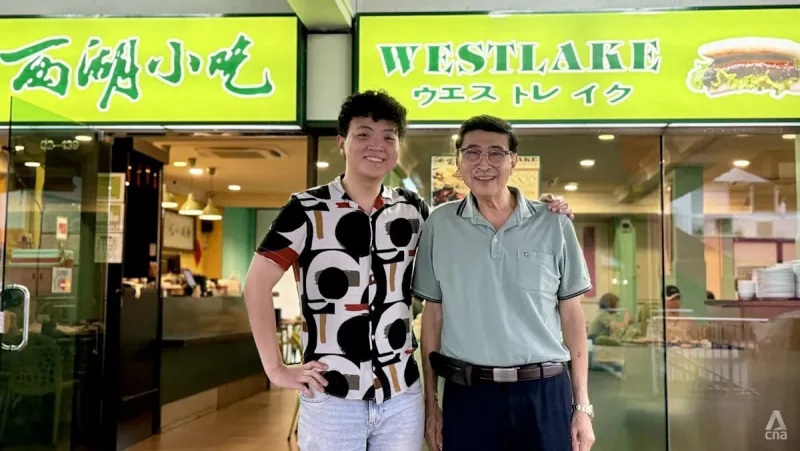
For more than five decades, Westlake Restaurant in Singapore has been synonymous with kong bak bao — soft, pillowy steamed buns filled with tender braised pork belly — and a broader menu of homestyle Hokkien dishes that have kept generations of loyal diners returning. Now in its 52nd year, the restaurant is navigating a careful balance between preserving its culinary heritage and adapting to the demands of a modern food landscape.
The establishment, which nearly shuttered in its earliest days, has survived and thrived through the dedication of its founding family. Today, a third-generation owner has taken the helm, bringing fresh perspectives to operations, branding, and outreach while remaining committed to the recipes and techniques that built Westlake's reputation. The challenge of succession is one faced by many heritage food businesses in Singapore, where the hawker and restaurant culture is deeply tied to family tradition.
Kong bak bao, a dish rooted in Hokkien culinary tradition, features slow-braised pork belly — rich with soy sauce, spices, and aromatics — served inside a soft steamed mantou bun. Westlake's version has long been regarded as a benchmark for the dish in Singapore, drawing both longtime regulars and curious newcomers eager to taste a piece of the city-state's food history.
As Singapore continues to champion its hawker culture — recognised by UNESCO as an Intangible Cultural Heritage — restaurants like Westlake represent an important thread in that culinary tapestry. The third-generation owner's efforts to modernise without losing authenticity reflect a broader conversation happening across Singapore's heritage food scene about how beloved institutions can endure for generations to come.