Wealthy political donors are increasingly using nonprofit organizations to anonymously funnel hundreds of millions of dollars into U.S. elections, according to campaign finance experts and recent regulatory filings. These groups, often registered under sections 501(c)(4) or 501(c)(6) of the tax code, are not required to publicly disclose their donors, creating a significant loophole in campaign transparency laws.
An analysis by OpenSecrets found that spending by politically active nonprofits in federal elections has consistently exceeded $1 billion per election cycle since 2010. In the 2024 election cycle, these "dark money" groups reported spending over $1.2 billion on political activities, primarily on issue advertising that supports or attacks candidates without explicitly calling for a vote.
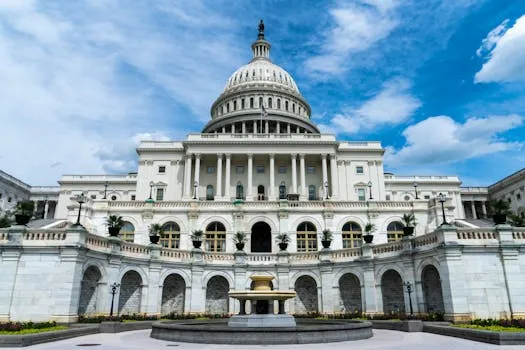
Recent legal challenges and proposed legislation, such as the DISCLOSE Act, aim to force these organizations to reveal their funding sources. However, these efforts have repeatedly stalled in Congress. The lack of transparency makes it difficult for voters to know who is funding the political messages they see, raising concerns about undue influence and corruption.
Advocates for reform argue that the current system allows special interests to shape policy anonymously. "Dark money distorts our democracy," said a spokesperson for the Campaign Legal Center, a nonpartisan watchdog group. "Voters have a right to know who is trying to influence their vote." Opponents of stricter disclosure rules contend that donor privacy is protected by the First Amendment and is essential for free political association.