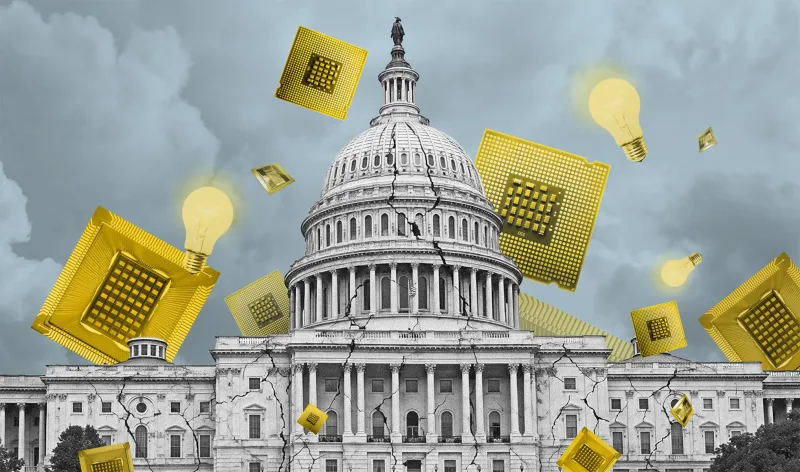
Recent reports and expert analyses highlight several factors threatening American stability as of mid-2026. Political polarization remains a significant concern, with deep divisions between major parties affecting governance and social cohesion. A 2025 Pew Research Center study found that 80% of Americans believe the country is more divided than in the past.
Economic inequality continues to widen, with the top 10% of earners holding 70% of national wealth, according to Federal Reserve data from 2025. This disparity fuels social unrest and undermines trust in institutions. Additionally, the national debt has surpassed $35 trillion, raising concerns about long-term fiscal sustainability.
Climate change poses an escalating threat, with the National Oceanic and Atmospheric Administration (NOAA) reporting a record 28 billion-dollar weather disasters in the US in 2025. These events strain infrastructure and public resources, exacerbating existing vulnerabilities.
Other factors include cybersecurity risks, with the Cybersecurity and Infrastructure Security Agency (CISA) noting a 40% increase in ransomware attacks on critical infrastructure in 2025. Demographic shifts, such as an aging population and declining birth rates, also pressure social security and healthcare systems.