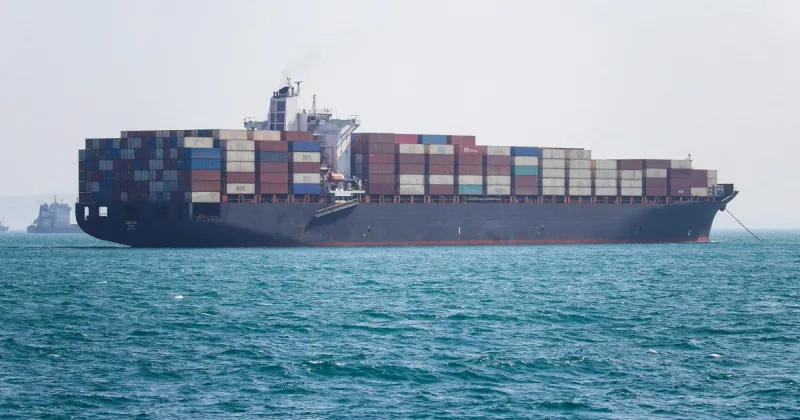
On May 5, 2026, the United States and Iran exchanged fire in the Strait of Hormuz, raising concerns about the stability of the ongoing ceasefire. The incident occurred as US President Donald Trump's administration pursued a mission to ensure freedom of navigation in the strategic waterway.
According to US officials, the exchange involved warning shots and did not result in casualties. The US military stated that its forces acted in self-defense after Iranian vessels approached US Navy ships in an unsafe manner. Iran's state media reported that its forces responded to what they called a US violation of territorial waters.
Despite the confrontation, the White House confirmed on Tuesday evening that the ceasefire agreement, brokered earlier this year, remains in effect. Press Secretary Karoline Leavitt said, 'The ceasefire is not over. We are committed to de-escalation while protecting our interests.'
The Strait of Hormuz is a critical chokepoint for global oil shipments, and any disruption could impact energy markets. The US has maintained a naval presence in the region to ensure free passage, a policy that has been a source of tension with Iran.
Analysts suggest that while the ceasefire holds, such incidents highlight the fragile nature of the agreement. Both nations have called for dialogue, but no new talks have been scheduled as of May 6, 2026.