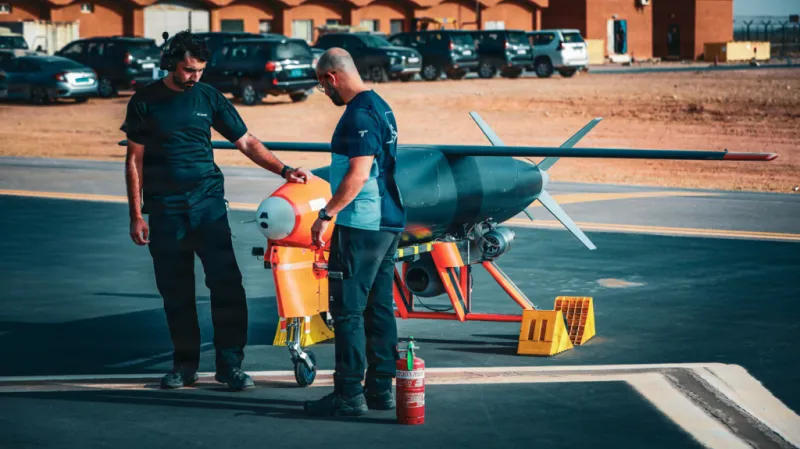
According to a report, a hypersonic cruise missile test was conducted on Moroccan soil, marking a significant milestone for the US Army. The test took place just 25 days after a memorandum of understanding was signed in Stuttgart, Germany, on July 13. The agreement involved General Mohammed Berrid, Inspector General of the Royal Moroccan Armed Forces, and US military officials.
The missile test was conducted in support of an Israeli-American startup, which has not been named in the report. The rapid timeline from agreement to launch highlights the streamlined cooperation between the US, Morocco, and the private sector in advancing hypersonic technology.
This event underscores Morocco's growing role as a strategic partner in US military operations in the region. The test is part of broader efforts by the US Army to develop and field hypersonic weapons, which are capable of traveling at speeds exceeding Mach 5.
While specific details about the missile's performance were not disclosed, the successful test represents a step forward in the US Army's hypersonic program. The collaboration with the startup suggests a trend towards leveraging private innovation for military applications.