Diplomatic tensions between the United States and Iran have escalated in recent days, with both nations issuing warnings as a critical deadline for a proposed Gaza ceasefire and hostage release deal approaches. The heightened rhetoric centers on the potential for a broader regional conflict.
US officials, including Defense Secretary Lloyd Austin, have publicly stated that the United States will continue to defend its interests and personnel in the Middle East. This follows a series of attacks on US forces in the region by Iran-aligned militias over the past months. The US maintains a significant military presence in the area.
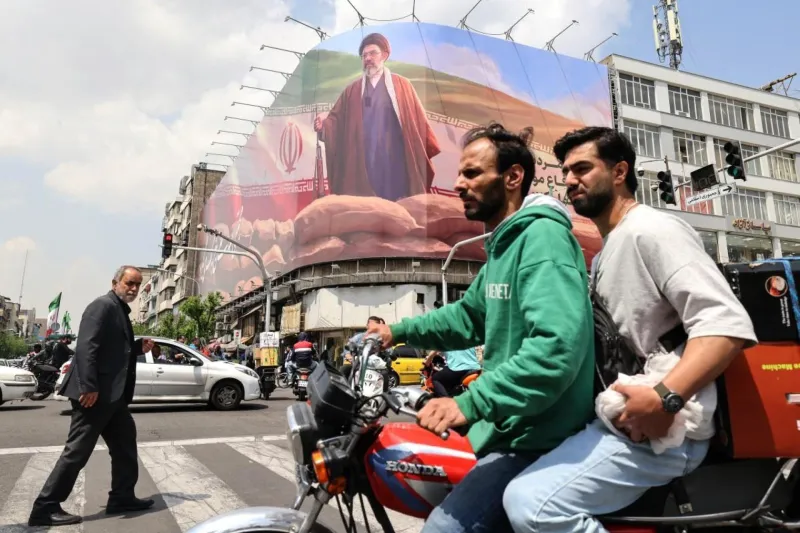
Iranian leaders, including Supreme Leader Ayatollah Ali Khamenei and President Ebrahim Raisi, have warned of a "severe response" to any Israeli operation in Rafah, a city in southern Gaza, and have reiterated support for Palestinian factions. Iranian state media has broadcast military exercises, showcasing the country's defensive capabilities.
The immediate context is an international push for a ceasefire in the ongoing Israel-Hamas war. Mediators from Egypt and Qatar are working on a proposal that includes a temporary truce and an exchange of Israeli hostages for Palestinian prisoners. A key deadline for this agreement is reported to be imminent, adding pressure to the volatile situation.
Analysts note that while both sides have demonstrated a desire to avoid a direct, full-scale war, the risk of miscalculation remains high. The situation is fluid, with developments in Gaza directly influencing the posture and statements from Washington and Tehran.