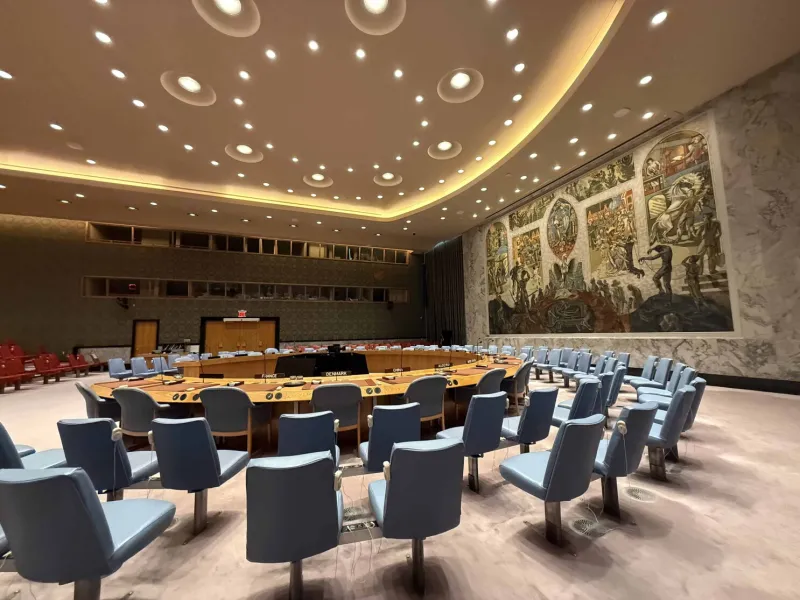
The United Nations Security Council adopted Resolution 2334 on December 23, 2016, which condemns Israeli settlement construction in the occupied Palestinian territories, including East Jerusalem. The resolution reaffirms that such settlements are a 'flagrant violation under international law' and a major obstacle to peace.
The resolution passed with 14 votes in favor and one abstention (the United States), marking the first UN Security Council resolution on Israel-Palestine since 2009. It calls for immediate steps to prevent violence and urges both parties to take measures to advance a two-state solution.
Israel rejected the resolution, with Prime Minister Benjamin Netanyahu calling it 'shameful' and vowing not to abide by it. The Palestinian Authority welcomed the resolution, viewing it as a reaffirmation of international consensus against settlements.
As of 2026, the resolution remains a key reference point in international diplomacy, though settlement expansion has continued, with the number of settlers in the West Bank exceeding 500,000. The UN continues to document settlement-related violations annually.