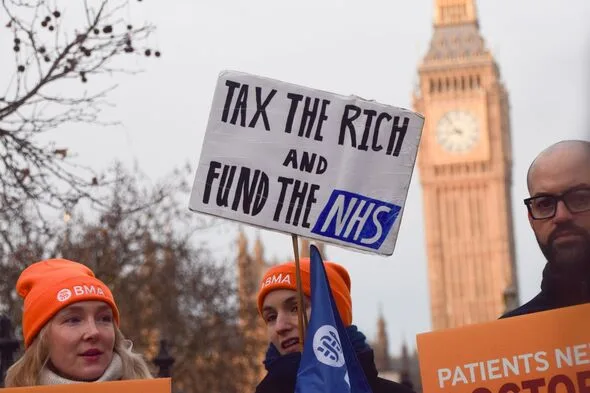
Junior doctors in England have begun a six-day strike over pay, marking the longest single period of industrial action in the history of the National Health Service (NHS). The walkout, which started on Wednesday, 2 April 2026, and is scheduled to last until Tuesday, 8 April 2026, is the 11th such strike by members of the British Medical Association (BMA).
The BMA is seeking a 35% pay increase to restore what it describes as "real-terms" pay cuts since 2008. The union has stated that the government's latest offer is insufficient and that negotiations have broken down. Health Secretary Victoria Atkins has called the strike "extremely disappointing" and urged the BMA to return to talks.
NHS England has warned of "significant disruption" to services, with tens of thousands of appointments and procedures expected to be postponed. Hospital trusts are implementing contingency plans, prioritizing emergency and critical care. The strike coincides with the Easter holiday period, a time when the NHS typically faces higher demand.
The ongoing dispute highlights deep-seated tensions over pay and working conditions within the NHS, contributing to a severe staffing crisis. Previous strikes have led to the rescheduling of over 1.4 million appointments, costing the health service an estimated £3 billion.