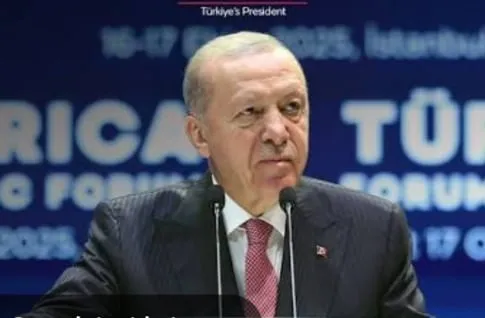
Turkey's engagement with Africa has intensified under President Recep Tayyip Erdoğan, focusing on education, military cooperation, and infrastructure. A recent event at the National Police Academy in Ankara saw a Congolese police officer receive a diploma from Erdoğan, symbolizing the growing ties. Turkey has provided scholarships to thousands of African students and established military training programs across the continent.
According to verified reports, Turkish exports to Africa reached $23.3 billion in 2025, up from $5.4 billion in 2003. Turkish Airlines now flies to 35 African destinations, more than any other non-African carrier. Infrastructure projects include the construction of hospitals, schools, and roads in countries like Somalia, Ethiopia, and Niger.
Turkey's approach emphasizes mutual benefit and non-interference, contrasting with historical European colonialism. However, critics note that Turkey's involvement also includes arms sales and support for allied governments, raising concerns about regional stability. The Turkish Cooperation and Coordination Agency (TİKA) has implemented over 600 projects in Africa since 2005.