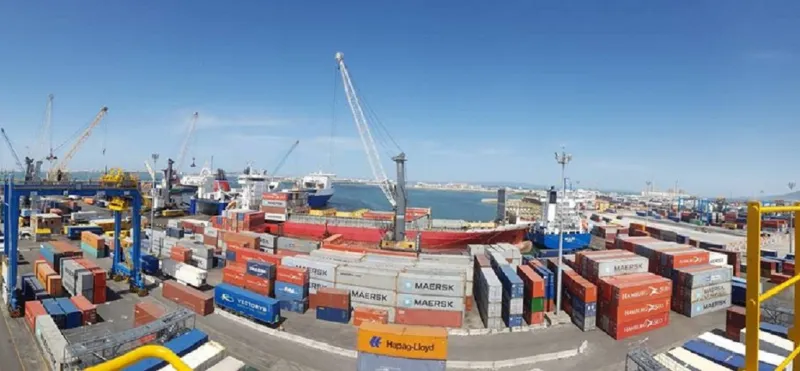
Tunisia is actively rebalancing its trade relations, seeking to reduce its historical dependence on the European Union while strengthening economic ties with Arab nations. This strategic shift aims to diversify export markets and attract new investments.
According to recent data from the Tunisian Ministry of Trade, exports to Arab countries have increased by 12% in the first quarter of 2026 compared to the same period in 2025. Key sectors include olive oil, dates, and textiles. Meanwhile, trade with the EU, which still accounts for over 60% of Tunisia's total trade, has seen a slight decline.
This rebalancing is part of a broader economic strategy to enhance resilience against external shocks. Tunisia has signed new trade agreements with several Gulf states and is exploring further cooperation with North African neighbors.
Economic analysts note that while the shift is positive for diversification, the EU remains Tunisia's largest trading partner. The success of this strategy will depend on the competitiveness of Tunisian products in Arab markets and the stability of regional partnerships.