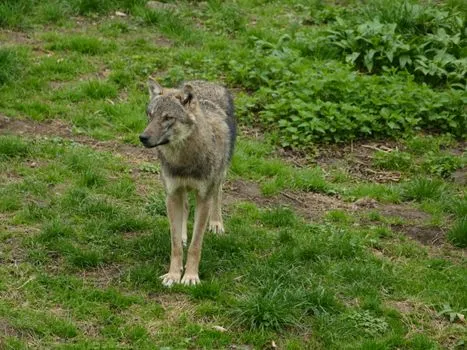
A recent executive order signed by President Donald Trump has thrust federal wolf protections back into the national spotlight, raising questions about the future of gray wolf management across the United States. The order, which directs federal agencies to review certain wildlife regulations, has drawn attention from conservationists and lawmakers alike.
At the center of the debate is the California Wolf Center, a nonprofit sanctuary and research facility located in Julian, California. The center has been planning an expansion to accommodate growing public interest and to support its conservation and education programs. However, the shifting federal policy landscape has created uncertainty for organizations that rely on federal protections and partnerships.
Gray wolves were delisted from the Endangered Species Act in 2020 under the first Trump administration, a move that was later challenged in court. In 2022, a federal judge restored protections for wolves in most of the contiguous United States, citing concerns about state-level management plans. The new executive order could reopen that legal and regulatory battle.
Conservation groups argue that weakening federal protections could lead to increased hunting and habitat loss, while supporters of the order say it returns management decisions to state and local authorities. The California Wolf Center has not yet commented publicly on how the order might affect its expansion timeline.
As the situation develops, wildlife advocates and policymakers will be watching closely to see whether the order leads to concrete changes in wolf management — and what that means for facilities like the one in Julian.