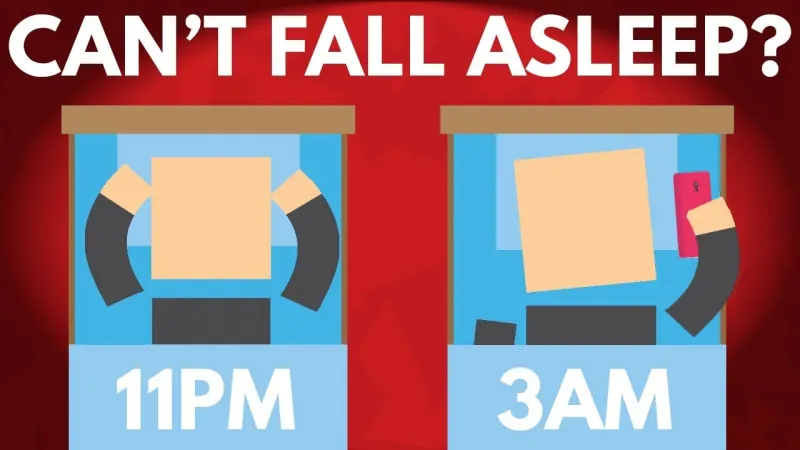
Falling asleep can be a nightly struggle for millions, but a growing body of research points to a highly effective, drug-free solution. Cognitive behavioral therapy for insomnia (CBT-I) has been shown to be more effective than sleeping pills in the long term, according to a 2025 review in the Journal of Clinical Sleep Medicine.
CBT-I is a structured program that helps individuals identify and replace thoughts and behaviors that cause or worsen sleep problems. Unlike medications, which can lead to dependence and lose effectiveness over time, CBT-I equips patients with lasting skills to manage their sleep.
The American College of Physicians recommends CBT-I as the first-line treatment for chronic insomnia, ahead of prescription sleep aids. The therapy typically involves sleep restriction, stimulus control, and cognitive restructuring to address the root causes of sleeplessness.
For those seeking immediate relief, experts suggest maintaining a consistent sleep schedule, limiting screen time before bed, and avoiding caffeine in the afternoon. However, for chronic insomnia, consulting a healthcare provider about CBT-I may offer the most sustainable path to better sleep.