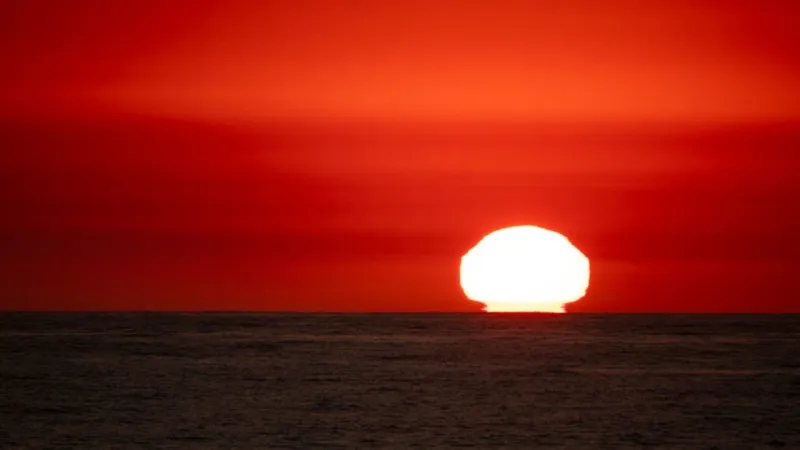
Spring 2026 has officially begun in the Northern Hemisphere, marked by the vernal equinox on March 20, 2026. This seasonal transition brings longer days, warmer temperatures, and the renewal of plant and animal life across much of the world.
The arrival of spring is associated with a range of natural phenomena, including the blooming of flowers, the return of migratory birds, and increased daylight hours. Meteorologists note that spring weather can be highly variable, with late frosts and rain showers common in many regions alongside warmer spells.
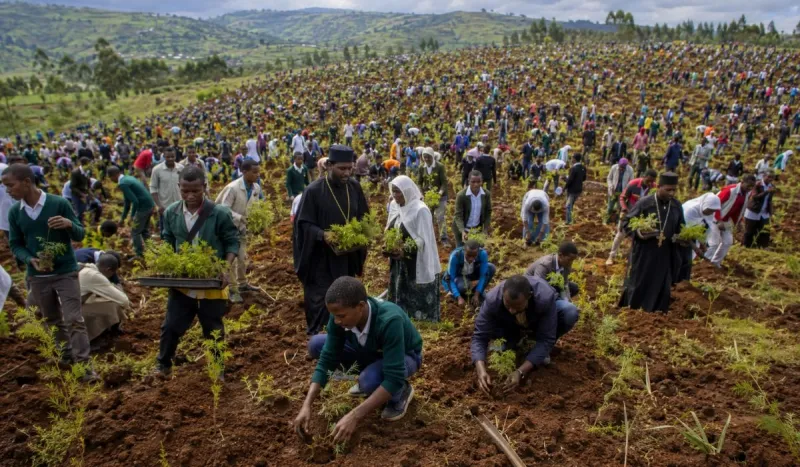
Culturally, spring holds significance across many traditions and societies. From Easter celebrations to Nowruz, the Persian New Year, and various harvest and planting festivals, the season is widely recognized as a time of renewal and hope. In 2026, these celebrations continue to bring communities together after the colder winter months.
Environmental observers also use the spring season to monitor signs of climate change, including shifts in bloom times, migration patterns, and snowmelt. Scientists continue to track these indicators as part of broader efforts to understand long-term environmental trends.