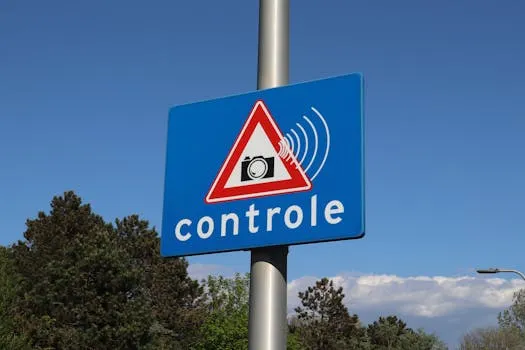
Speed cameras are a common tool for enforcing traffic laws, but their legality often hinges on visibility requirements. In many jurisdictions, including the United Kingdom and parts of the United States, speed cameras must be clearly visible and accompanied by warning signs. Hidden or unmarked cameras may be challenged in court, though success depends on local laws.
According to legal experts, drivers can contest a fine if the camera was not properly signed or if the signage was obscured. For example, in the UK, the Department for Transport guidelines state that fixed speed cameras should be painted yellow and preceded by warning signs. Failure to comply can be grounds for appeal, but each case is judged individually.
In France, speed cameras must be visible and announced by signs, but hidden mobile cameras are legal in certain zones. The French government has clarified that drivers cannot challenge a fine solely because the camera was not visible, unless signage was missing or damaged. Always check local regulations.
To challenge a fine, gather evidence such as photos of the camera location, signage, and any obstructions. Consult a traffic lawyer for advice specific to your jurisdiction. Remember, ignorance of the law is not a defense, but procedural errors can sometimes lead to fine cancellation.