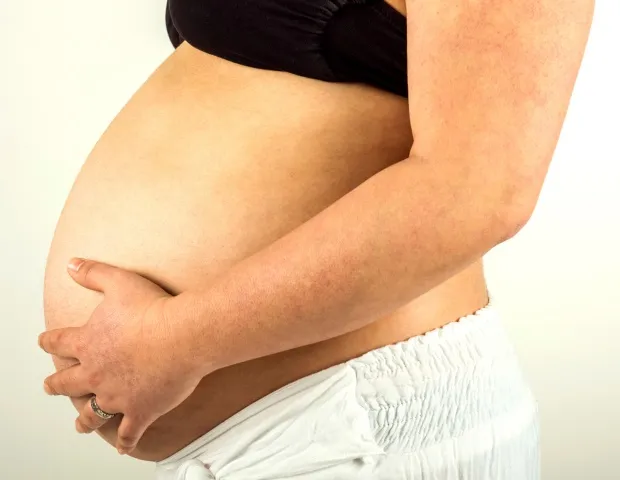
A new Stanford Medicine study analyzing 2.5 million California births found that pregnant women with hyperemesis gravidarum, a severe form of nausea and vomiting, face increased risks for several pregnancy and birth complications. The research was published June 16 in the American Journal of Obstetrics & Gynecology.
The study, led by Dr. Stephanie Gaw, an associate professor of maternal-fetal medicine, examined data from 2007 to 2012. It found that women with hyperemesis gravidarum had a 15% higher risk of preterm birth and a 27% higher risk of placental abruption compared to those without the condition.
Hyperemesis gravidarum affects about 0.5% to 2% of pregnancies, according to the study. It is distinct from common morning sickness and can lead to severe dehydration, weight loss, and electrolyte imbalances.
The researchers emphasized that while the risks are elevated, the absolute risk remains low for most women. They called for increased awareness and monitoring of pregnant women with severe nausea to improve outcomes.