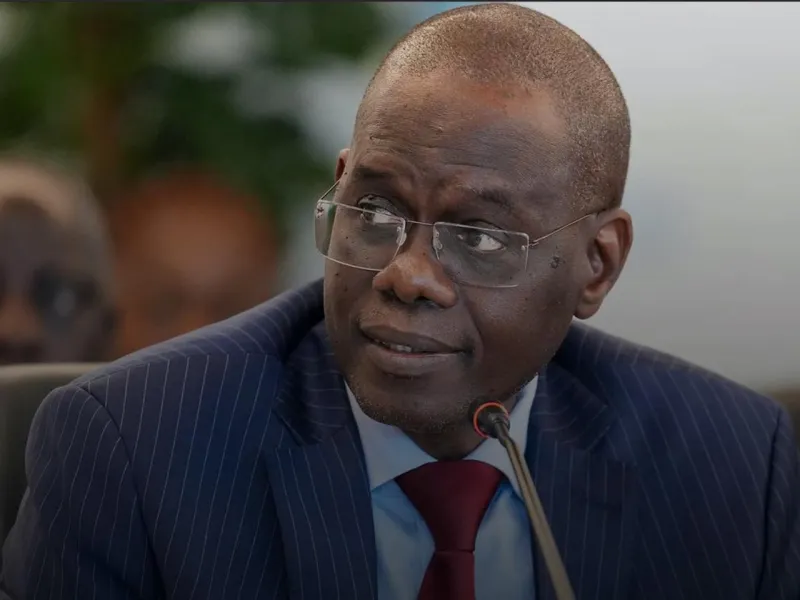
Senegal's political landscape shifted on May 29, 2026, when President Bassirou Diomaye Faye dismissed Prime Minister Ousmane Sonko and dissolved the government. The move has sparked debate about whether it could facilitate a new financial program with the International Monetary Fund (IMF).
Senegal's public debt stood at 83.7% of GDP in 2025, according to the IMF, up from 73.7% in 2023. The country has been in talks with the IMF for a new program to replace the Extended Fund Facility (EFF) that expired in early 2025. However, negotiations have stalled due to disagreements over fiscal consolidation measures.
Analysts suggest that Sonko's departure, while removing a key political obstacle, does not automatically resolve the underlying fiscal issues. The IMF has called for a credible fiscal adjustment plan, including reducing subsidies and increasing tax revenues. Senegal's budget deficit was 10.4% of GDP in 2024, far above the WAEMU convergence criterion of 3%.
President Faye has appointed a new government, but the economic team remains largely unchanged. The IMF mission is expected to visit Dakar in June 2026 to assess progress. Without a new program, Senegal faces higher borrowing costs and potential difficulty accessing international capital markets.