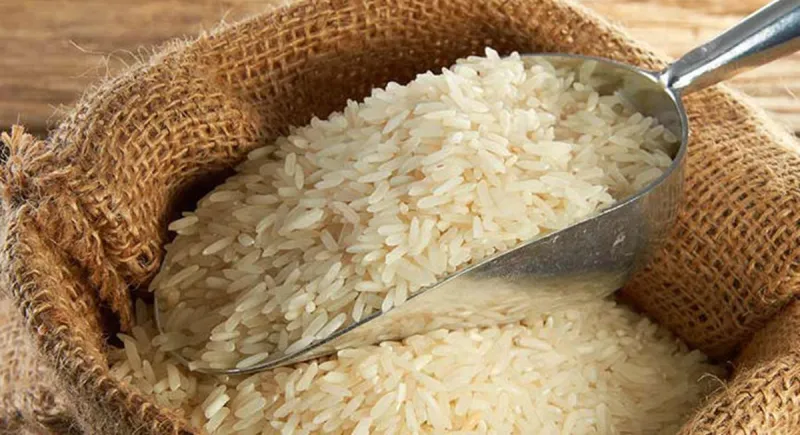
Trade defense authorities have opened a safeguard investigation into rice imports, responding to concerns that a significant surge in import volumes may be causing or threatening serious injury to domestic rice producers. Safeguard investigations are a recognized instrument under World Trade Organization (WTO) rules, allowing countries to temporarily restrict imports when a domestic industry faces serious harm from increased foreign competition.
The investigation will examine import trends, pricing dynamics, and the economic condition of the domestic rice sector. Authorities will assess whether the conditions for imposing safeguard measures — such as tariffs, quotas, or tariff-rate quotas — have been met under applicable trade law. Domestic producers, importers, and other stakeholders are typically invited to submit evidence and testimony during the inquiry process.
Rice is a strategically sensitive commodity in many countries, serving as a staple food and a key source of rural livelihoods. Governments frequently invoke trade defense tools to shield local farmers from import competition, particularly when global supply conditions shift or when trading partners benefit from subsidies or lower production costs.
If the investigation concludes that serious injury has occurred or is imminent, provisional or definitive safeguard measures may be applied. The process is subject to transparency requirements and can be challenged through WTO dispute settlement mechanisms. The outcome of the investigation is expected to have significant implications for both domestic food security policy and international trade relations.