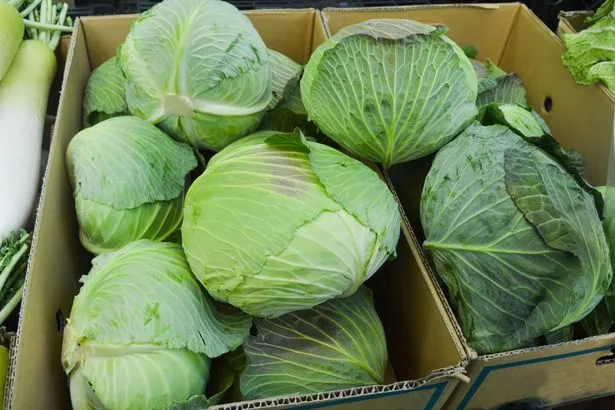
Cabbage is one of the most affordable and nutritious vegetables available, yet it is often overlooked or prepared in ways that leave it bland and unappetizing. Boiling is the most common cooking method, but it can strip the vegetable of both flavor and nutrients. Roasting cabbage in the oven is a simple alternative that dramatically improves its taste and texture.
To roast cabbage, the head is typically sliced into thick steaks or wedges, brushed with olive oil, seasoned with salt, pepper, and optional spices such as garlic powder or smoked paprika, and then placed in an oven preheated to around 200°C (400°F). The cabbage roasts for approximately 25 to 35 minutes, until the edges become golden and caramelized and the interior turns tender.
The high heat of roasting triggers the Maillard reaction, a chemical process that browns the surface of food and creates complex, nutty, and slightly sweet flavors. This is the same process responsible for the appealing crust on roasted meats and bread. In cabbage, it softens the bitterness that many people associate with the vegetable when it is boiled or eaten raw.
From a nutritional standpoint, cabbage is an excellent source of vitamin C, vitamin K, and dietary fiber. It is also low in calories, with roughly 25 calories per 100 grams. Roasting preserves more of these nutrients compared to boiling, which can cause water-soluble vitamins to leach into the cooking water. Cabbage is also rich in glucosinolates, compounds studied for their potential health benefits.
Beyond simple roasting, cooks can enhance the dish further by finishing it with a drizzle of balsamic vinegar, a squeeze of lemon juice, or a sprinkle of Parmesan cheese. Roasted cabbage can serve as a side dish, a base for grain bowls, or even a vegetarian main course when topped with beans or a poached egg.