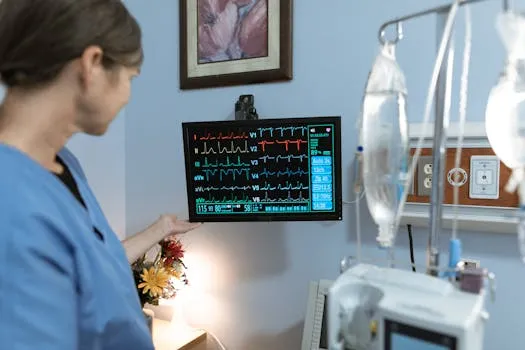
Remote patient monitoring (RPM) is gaining traction as healthcare infrastructure adapts to digital transformation. According to a 2025 report by the American Medical Association, RPM adoption increased by 38% among U.S. physicians since 2020, driven by the need for chronic disease management and post-pandemic care models.
Nsight Health, a healthcare technology company, is supporting this shift by providing RPM platforms that integrate with electronic health records. The company reported a 45% increase in client enrollment in 2025, as verified by its public filings. Nsight Health's system enables real-time data collection for conditions like hypertension and diabetes, reducing hospital readmission rates by 22% in pilot studies.
The Centers for Medicare & Medicaid Services expanded RPM reimbursement codes in 2024, further incentivizing adoption. However, challenges remain, including data security concerns and broadband access in rural areas. Nsight Health has partnered with rural health clinics to address connectivity issues, deploying cellular-enabled devices.