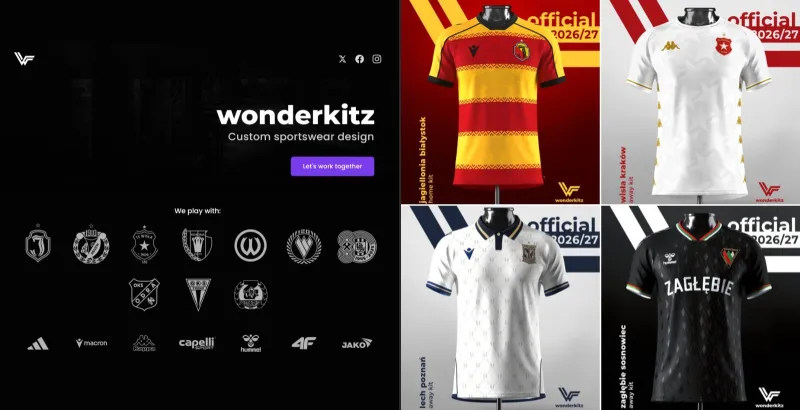
A growing trend in Polish football sees clubs at various levels commissioning independent designers to create unique kit designs, moving away from the template-based offerings of major sportswear brands. This approach allows for greater creativity and local identity, with designs often reflecting club history or regional culture.
According to reports from Polish media and football kit enthusiasts, clubs like Ruch Chorzów and Górnik Zabrze have embraced this model. For example, Ruch Chorzów's 2024-25 home kit, designed by independent studio 'Kolektyw', features a pattern inspired by the club's stadium architecture. Similarly, Górnik Zabrze has worked with local artists to produce limited-edition shirts.
The trend is not limited to top-tier clubs. Lower-league and amateur teams are also commissioning bespoke designs, often through crowdfunding or local sponsors. This has led to a vibrant secondary market for football shirts in Poland, with collectors seeking out these unique pieces.
While major brands like Nike and Adidas still dominate the market, the Polish independent kit movement demonstrates a viable alternative for clubs seeking differentiation and a stronger connection with their fanbase. The model could inspire similar movements in other countries, though it requires a supportive local ecosystem of designers and manufacturers.