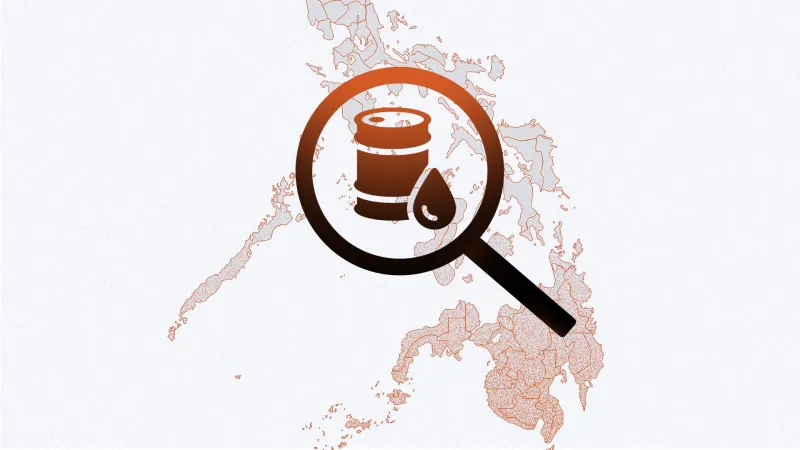
CEBU, Philippines – The Philippine Department of Energy announced on Tuesday, April 7, 2026, that President Ferdinand Marcos Jr. had signed two new petroleum service contracts aimed at advancing indigenous energy exploration in the Visayas region. The move is part of the government's broader strategy to reduce the country's dependence on imported fossil fuels.
The contracts are intended to promote the exploration and potential development of petroleum resources in areas covering the Visayas island group in the central Philippines. Officials from the Department of Energy emphasized that expanding domestic energy production is a key priority for the Marcos administration as the country seeks greater energy security.
The Philippines has long relied heavily on energy imports, and successive administrations have pushed to develop local oil and gas resources. The Visayas region, which includes major islands such as Cebu, Leyte, and Panay, has been identified as a potential area of interest for upstream petroleum activities.
Energy officials noted that the petroleum service contracts would open the designated areas to exploration work, which could eventually lead to drilling and resource assessment. The government has framed the initiative as a step toward strengthening the country's energy independence and supporting long-term economic development.