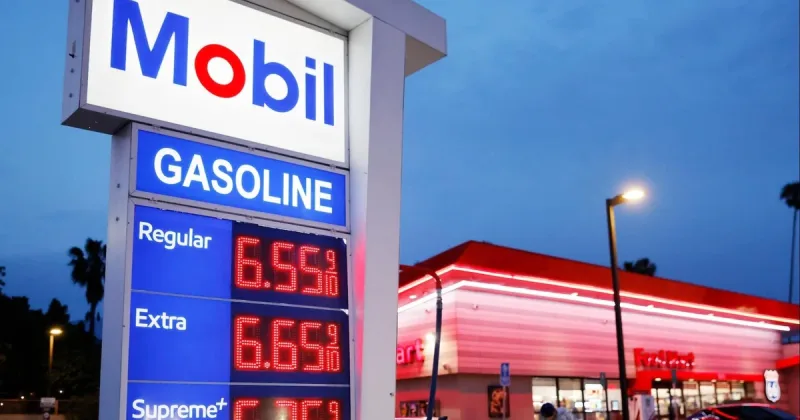
A recent surge in global oil prices, driven by geopolitical tensions and OPEC+ production policies, is creating ripple effects across the U.S. economy. The national average for a gallon of regular gasoline has climbed significantly, directly increasing costs for consumers and businesses reliant on transportation.
This energy-driven inflation complicates the Federal Reserve's ongoing battle to stabilize prices. While core inflation has moderated, the persistent rise in energy costs threatens to keep overall consumer price levels elevated, potentially delaying anticipated interest rate cuts.
Higher fuel costs act as a tax on consumers, reducing disposable income for other goods and services. Sectors like airlines, logistics, and manufacturing face immediate pressure on margins, which could lead to higher prices for end products. Analysts warn that sustained high oil prices could dampen economic growth forecasts for 2026.
The situation remains fluid, with markets sensitive to developments in major oil-producing regions. The U.S. administration faces renewed pressure to balance energy security, economic stability, and its climate objectives in response to the price shock.