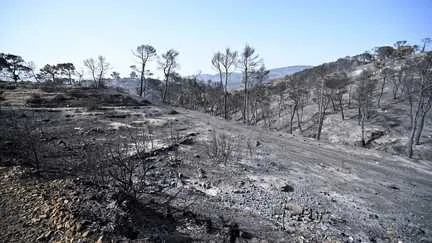
As of July 26, 2026, North Africa is experiencing a severe heatwave, with temperatures soaring above 48°C in parts of Algeria and Tunisia. The extreme heat has fueled multiple wildfires, particularly in forested regions of northern Algeria and northwestern Tunisia, according to reports from local civil protection agencies.
In Algeria, wildfires have been reported in the provinces of Tizi Ouzou and Bejaia, forcing evacuations of several villages. The Algerian Civil Protection service has deployed hundreds of firefighters and water-bombing aircraft to contain the blazes. No casualties have been confirmed as of the latest updates.
Tunisia has also seen wildfires in the Kef and Jendouba governorates, with authorities urging residents to stay indoors due to smoke and high temperatures. The Tunisian Ministry of Health has issued heatwave warnings, advising the elderly and those with chronic illnesses to take precautions.
The heatwave is attributed to a high-pressure system over the Mediterranean, which has also affected southern Europe. Climate experts note that such extreme events are becoming more frequent and intense due to climate change. The situation remains under close monitoring by national meteorological services.